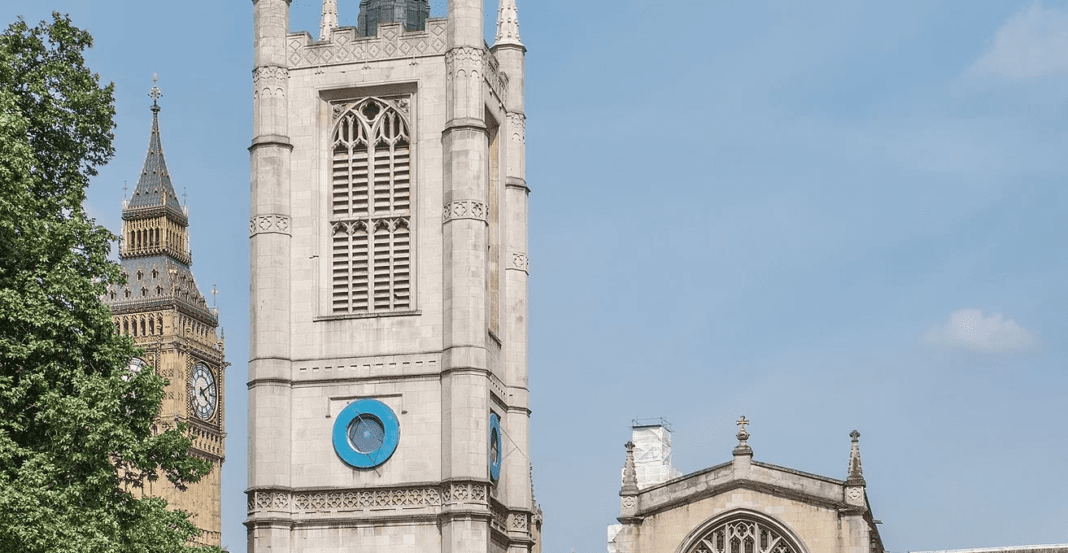

Religion and government have always been closely intertwined in every country. Sometimes, such cooperation helped to rule a large number of people. In some cases, the church became an integral part of the local traditions, and therefore, of its government representatives. Great Britain can also boast of an interesting and rich history of this kind of relationship. This country is one of the few in the world that managed to preserve many customs at the state level. However, modernity requires the creation of new directions, the destruction of stereotypes and the implementation of many transformations. So, what does the relationship between authority and the church look like in London today? Learn more at london-yes.
The role of the Church of England in Great Britain
From the very beginning of its foundation, the Church of England has always been and remains closely connected with the political system of Great Britain. Even the fact that it is headed by a King or Queen proves it. Nowadays, such traditions are first of all a symbol of the country. The presence of 26 bishops in the House of Lords of Great Britain can serve as another proof of the connection between the government and the church. It is also reflected in the educational sphere. Every day, British public schools dedicate some time of the day to prayer. However, children may be exempted from this activity due to their religious views. This is quite a common and important tradition in the country. In addition, related measures are taken at the state level, allowing Anglicans to preserve certain autonomy as well as a unique liturgical and canonical tradition. The modern church remains open to innovations and tries to find a balance between the contradictions of different political parties. Such policy is aimed to preserve and popularise among the new generation the customs and traditions of the political system of Great Britain, which were established many years ago.
Another side of religion in politics
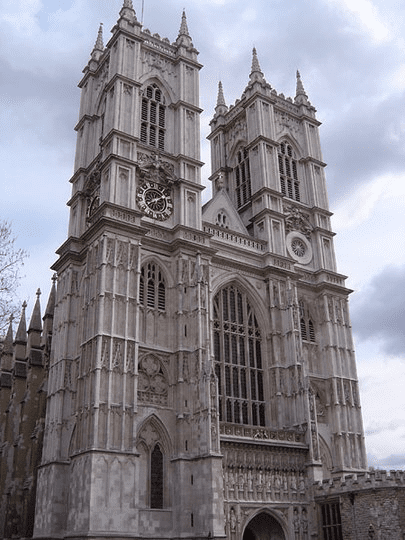
Despite the fact that London authorities follow a large number of religious traditions, there is another side to the medal. First of all, it should be noted that the attitude of the modern Londoners towards the church has changed significantly, as people pay less attention to religion. Nowadays, a very small percentage of the population goes to church regularly. In modern society, attending Sunday services isn’t mandatory, as it was before. Moreover, in the political sphere, the recognition of one’s religious preferences sometimes leads to many problems. Politicians usually avoid this topic in public because they can even get into uncomfortable situations because of such statements. For example, the former leader of the Liberal Democratic Party, Tim Farron, resigned, arguing that his religious views were incompatible with the position. Many politicians also believe that religion can provoke conflict. The Archbishop of Canterbury, Justin Welby, can serve as a good example of the case. He is the head of the Church of England and is respected among politicians and ordinary residents throughout Great Britain. However, he admits that he doesn’t play such a significant role as, for example, religious leaders in the United States. Justin Welby says that most Londoners will probably easily recognise the famous politicians in a photo, but hardly remember their names. This fact once again reminds us that, although religion remains at a high level in politics, it actually plays a much smaller role in modern society. The above-mentioned information is noted by BBC.