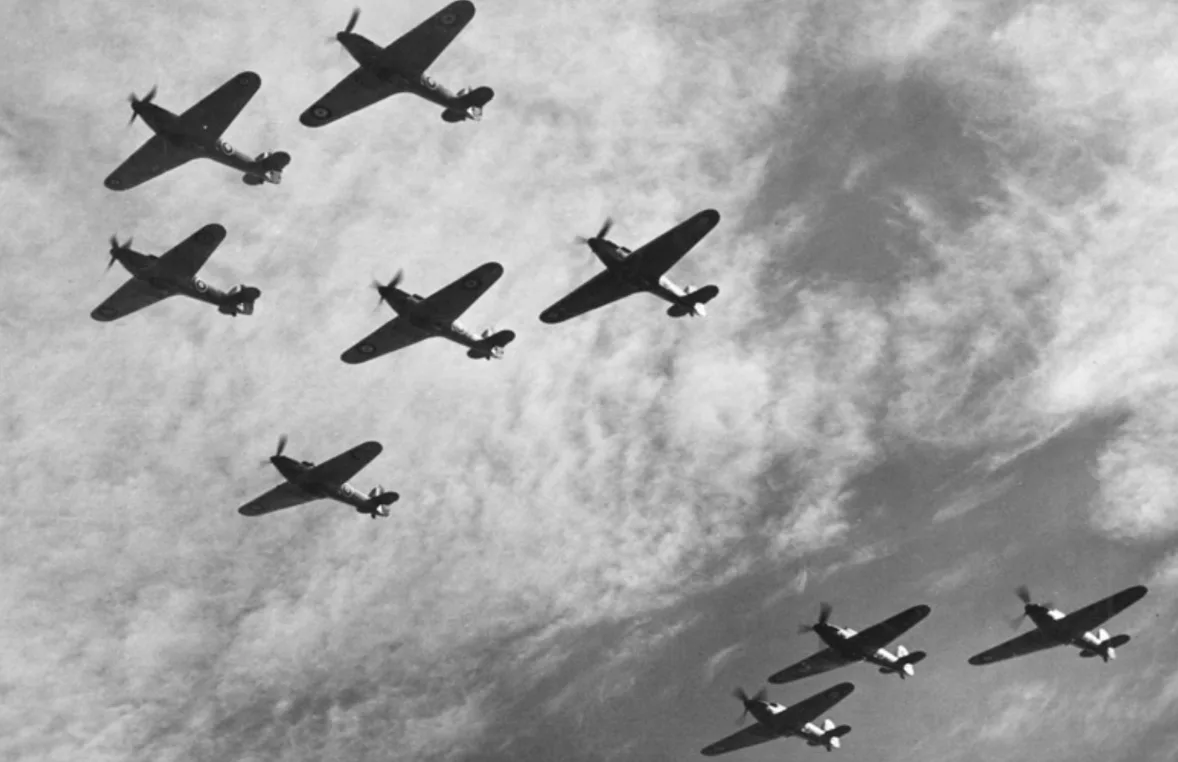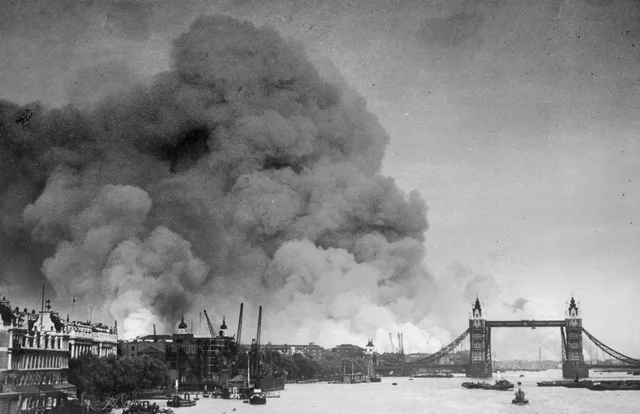
Britain was a maritime powerhouse long before it became an industrial and political superpower. For centuries, its fleet, trade routes, and ports served as the foundation of the na...
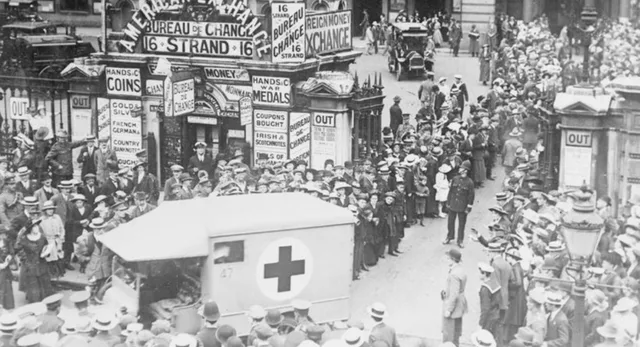
When air raid sirens wailed over London in the autumn of 1940, the British capital's healthcare system was already prepared for the impact. The government was preparing for the wor...
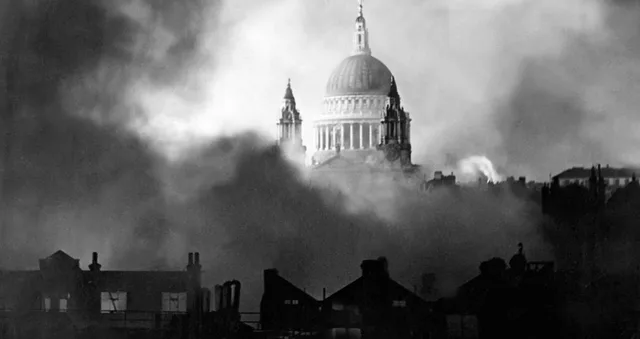
In the summer of 1940, Britain faced the threat of an imminent German invasion. Although nearly 340,000 troops were rescued during the Dunkirk evacuation, the British Expeditionary...
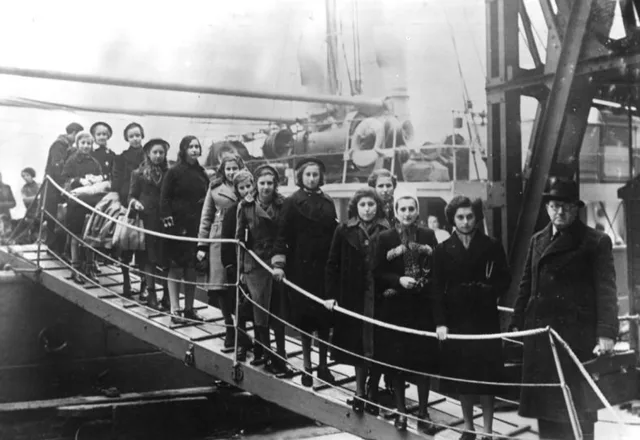
People from all corners of the globe are drawn to London, seeking opportunities in every imaginable field. The British capital is world-renowned for its stunning architecture, cutt...

London and Great Britain have long been synonymous with military professionalism, strategic innovation, and efficient operations. Usually, the capital functions like a well-oiled m...
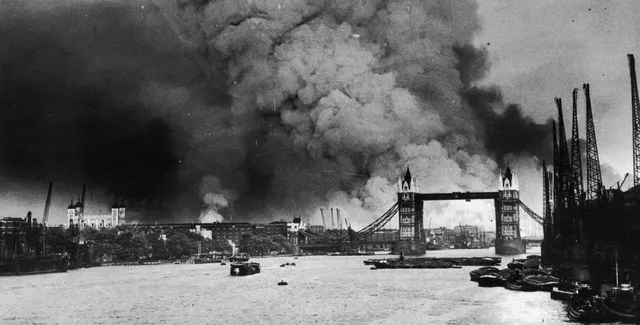
London stood as a beacon of strength and resilience during the Second World War. Naturally, Britain’s island geography played a crucial role in its defence. It bought the nation th...
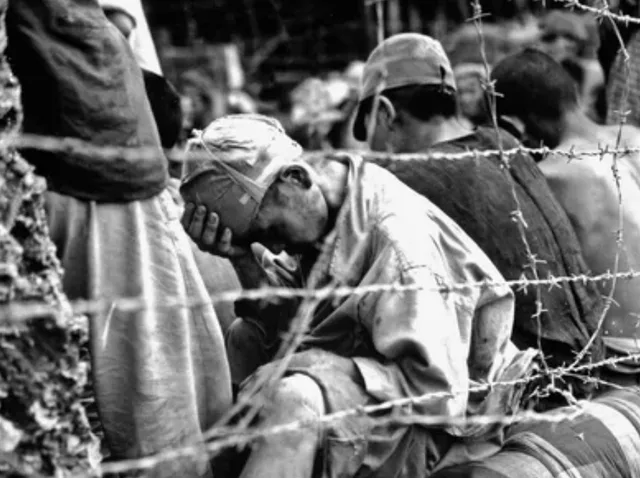
It is no secret that Great Britain played a major role in the Second World War, even though no ground combat took place on home soil. British forces achieved significant successes...
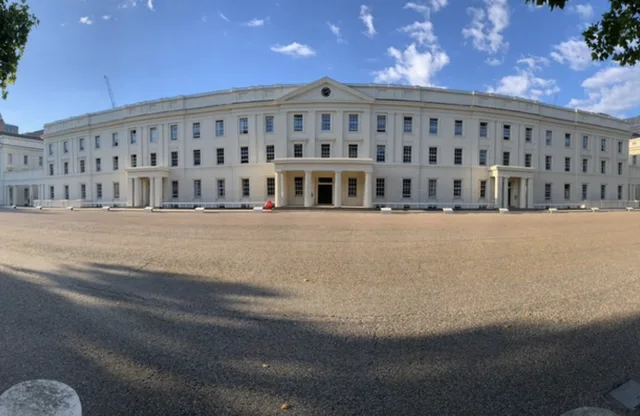
London is home to numerous military installations. Some serve as stark reminders of the horrors of the World Wars and other conflicts involving British troops. Others, conversely,...
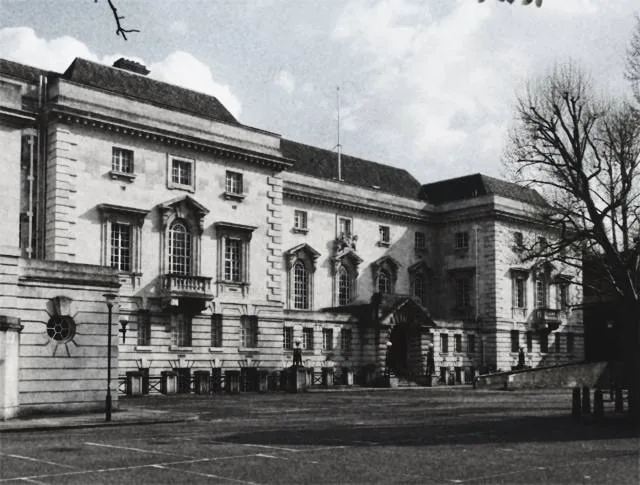
The Inner London Crown Court carries a rich, albeit somber, legacy. Historically synonymous with the "slaughterhouse" due to its proximity to public executions, the site has underg...
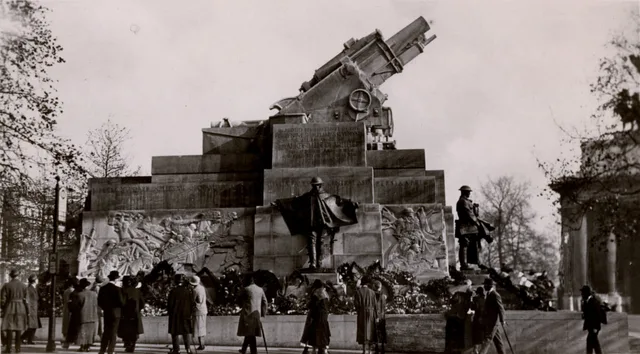
The Royal Artillery Memorial is widely regarded as one of the most significant British war memorials of the 20th century. Created by architect Lionel Pearson and sculptor Charles S...
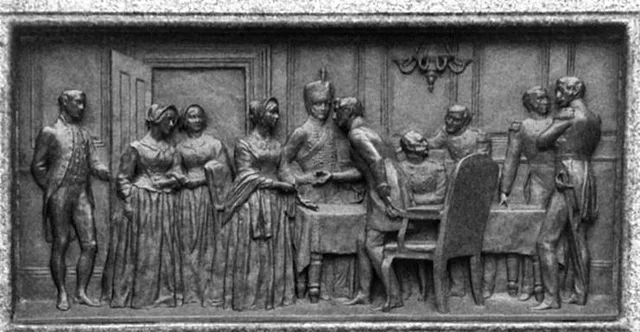
The art of Arthur George Walker is an indelible part of the British memorial landscape. As the creator of numerous war monuments, he masterfully blended the traditions of the acade...
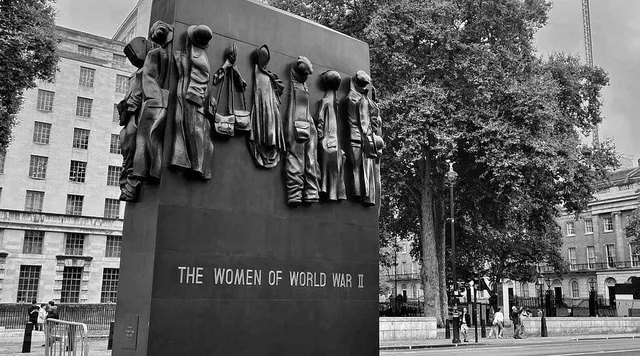
For decades, the vital contribution of women during the Second World War remained largely unappreciated. Millions of them stepped up, working as mechanics and engineers, in munitio...

Henry Charles Fehr is remembered as one of the most prominent British creators of war memorials following the First World War. His striking bronze figures of Peace, Victory, and Sa...
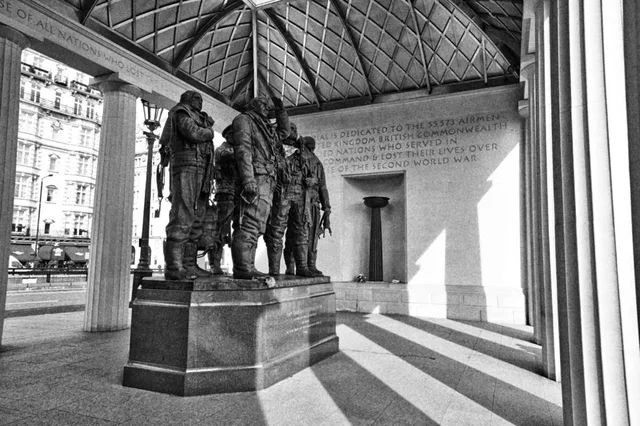
Among London's architectural landmarks, The Royal Air Force Bomber Command Memorial holds a profoundly special place. It stands as a magnificent tribute to the 55,573 airmen who ma...
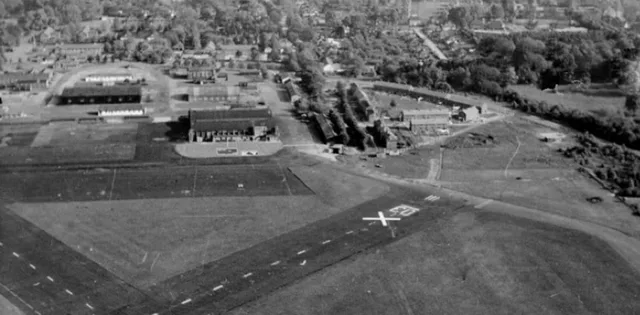
During the Battle of Britain, RAF Kenley became one of the three main hubs for London's aerial defence. It’s considered the most completely preserved fighter airfield from that piv...
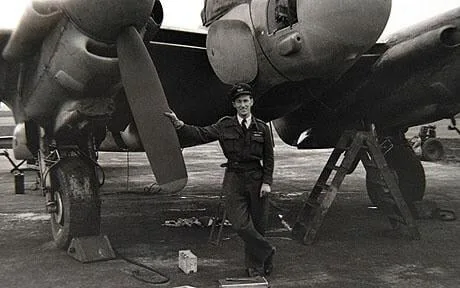
He started his career as a technical draughtsman, but the outbreak of war changed his destiny forever. Alan "Red" Owen became one of the most successful RAF fighter pilots, whose c...
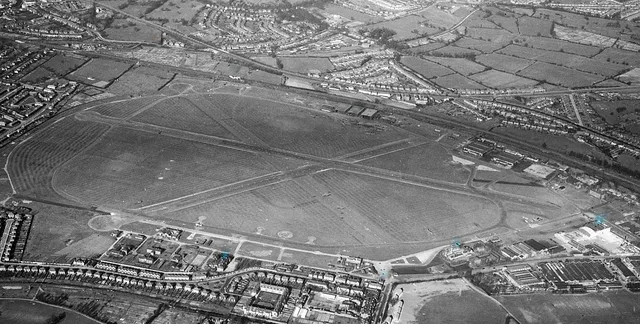
Few places in the history of British aviation can rival Hendon Aerodrome. It was here that early flight experiments took off, records were set, and the foundations of British air t...
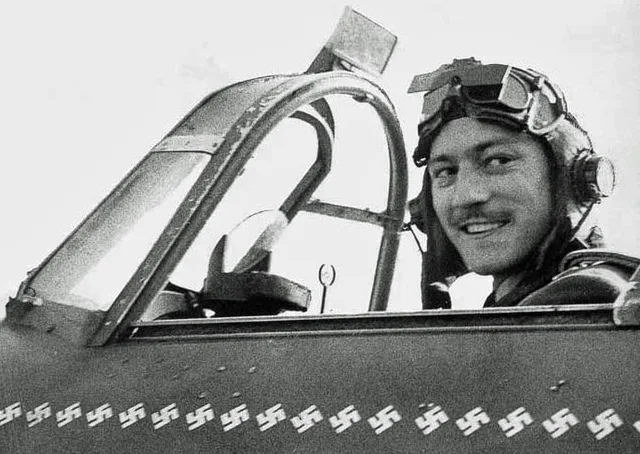
The name Robert Stanford Tuck is a legend in UK aviation. He was one of the most prominent British flying aces of the Second World War, whose military career combined courage with...
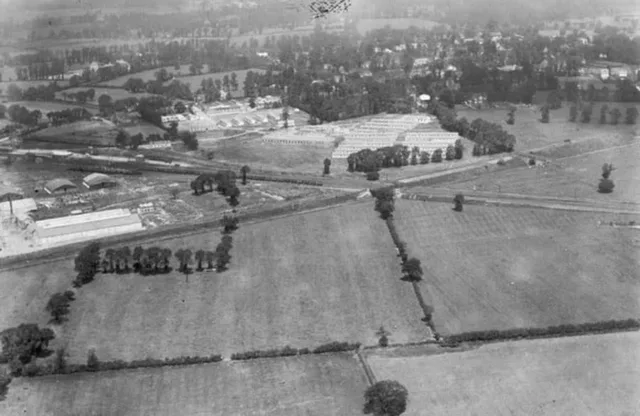
RAF West Ruislip was a military installation that served as a vital part of the UK and US defence infrastructure for almost a century. Its unique location next to key railway lines...
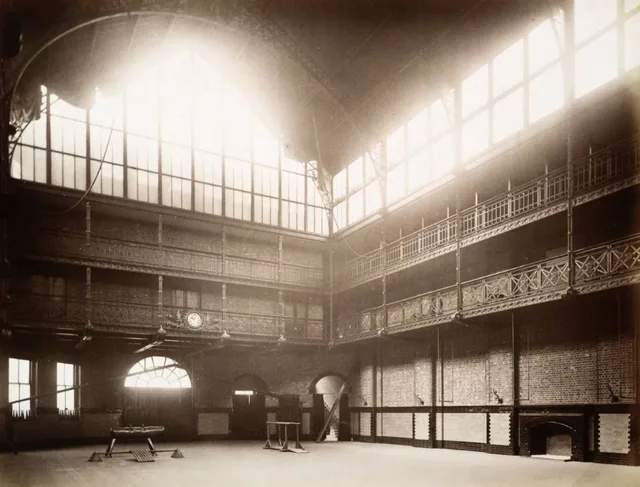
In the very heart of Westminster, amidst elegant terraces, diplomatic missions, and exquisite hotels, lies Buckingham Gate. Laid out during the Victorian boom, it became part of a...
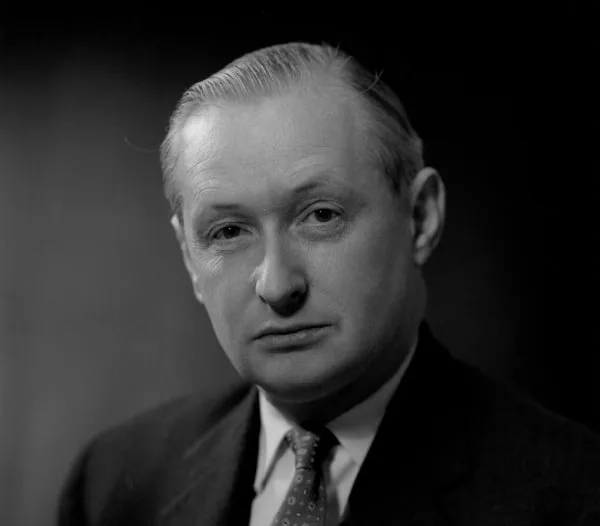
William Deakin's military career stands as an example of how an analytical mind can alter the course of history. As a combat officer and strategist, he played a decisive role in sh...
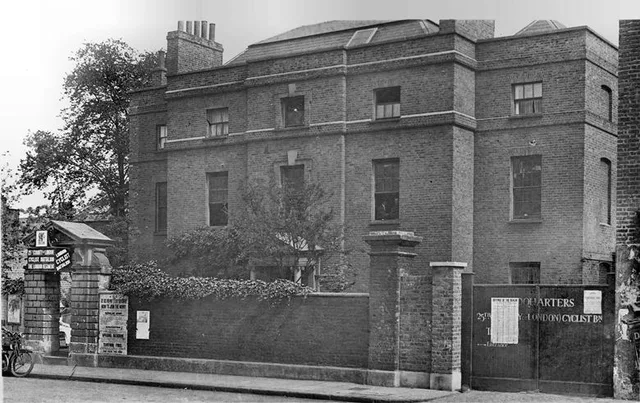
Fulham House is more than just an old building on the London map. Retaining its character and significance over centuries, it has transitioned from a medieval residence to a vital...
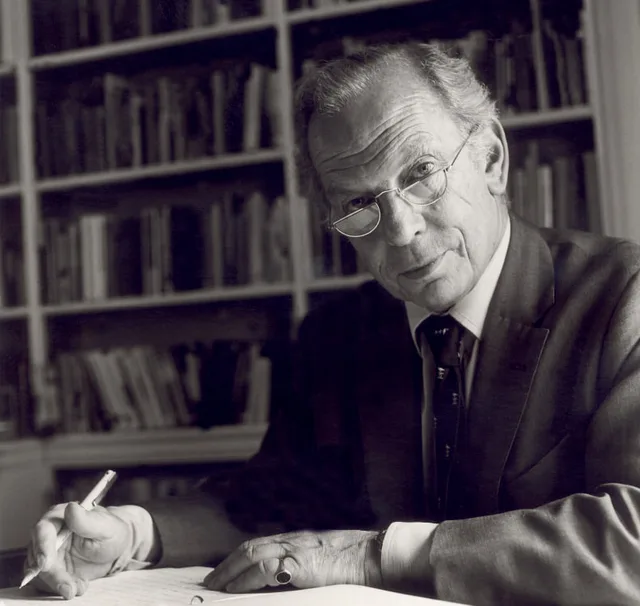
Michael Howard is rightly considered the most influential British military historian of his generation. His contributions to academia, state policy, and international studies exten...