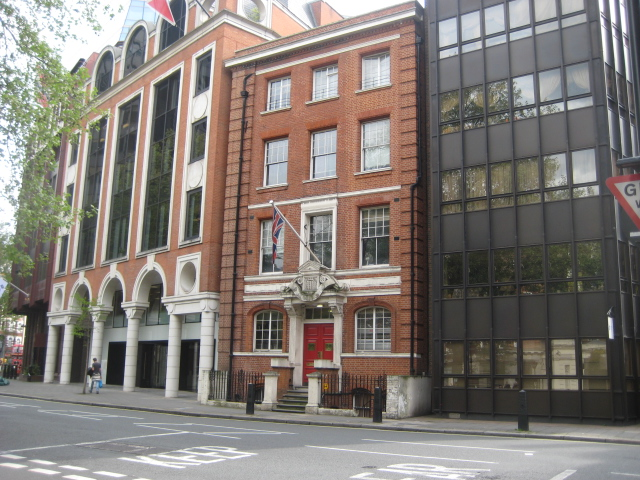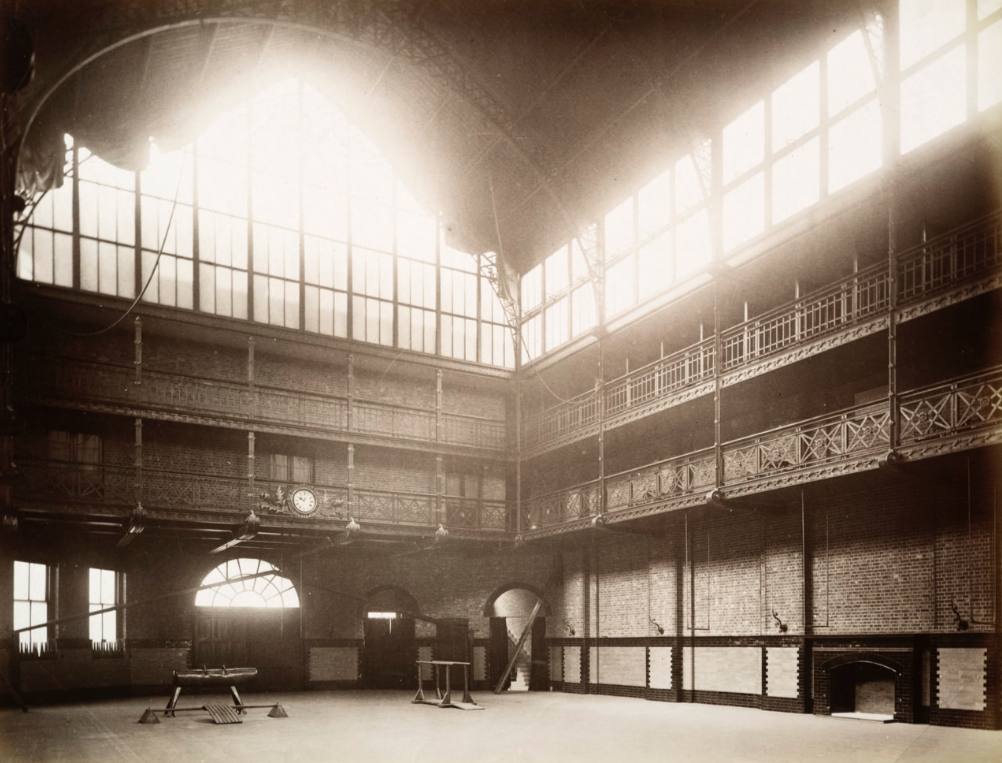

In the very heart of Westminster, amidst elegant terraces, diplomatic missions, and exquisite hotels, lies Buckingham Gate. Laid out during the Victorian boom, it became part of a strategic plan for the development of the UK’s capital. It was here, in the latter half of the 19th century, that two military training centres emerged – at 58 and 59 Buckingham Gate. They proved to be more than just training grounds; they became symbols of public service in one of London’s most prestigious districts. Read more on london-yes.
The History and Development of Buckingham Gate Drill Halls
The drill hall building at 58 Buckingham Gate was erected in 1886 as the headquarters of the 13th Middlesex Volunteer Rifle Corps. With the establishment of the Territorial Army in 1908, the unit transformed into the 16th Battalion, London Regiment. Nearby, at 59 Buckingham Gate, another training centre was established in the same year. Its architect was John McVicar Anderson, and the official opening was attended by the Duke of Cambridge. The new premises became the headquarters of the 7th (London Scottish) Middlesex Volunteer Corps, which became the 14th Battalion, London Regiment, in 1908.
In 1912, the drill hall at 59 Buckingham Gate played a historically significant role. It was here that the official inquiry into the disaster of the world-famous liner RMS Titanic was conducted. When the First World War broke out in August 1914, both battalions were mobilised in their respective halls and dispatched to the Western Front.
In 1937, as a result of the London Regiment’s disbandment, the unit located in No. 58 became known as the Westminster Rifles. In 1961, the unit merged with the Queen Victoria’s Rifles, after which it relocated to another building on Davies Street. Meanwhile, the military formation from No. 59 was renamed the London Scottish, Gordon Highlanders. Post-war restructuring led to its re-establishment in 1947, when it was decided to retain its main office in the same building.
In the 1970s, the drill hall at 58 Buckingham Gate began to be used as a base for army cadet organisations. By the end of the 20th century, its premises came under the control of the Metropolitan Police, demonstrating the flexible adaptation of the infrastructure to new needs. Subsequently, the building was converted into offices, marking the end of its military period.
The drill hall at 59 Buckingham Gate has not survived to the present day. In 1985, it was demolished, but a significant portion of its elements, including the unique metal roof, two-tiered cast-iron galleries, and commemorative memorial plaques, were carefully relocated to a new building on Horseferry Road. In the modern context, an innovative office centre now operates on the site of the demolished structure, housing the headquarters of the Swire Group.
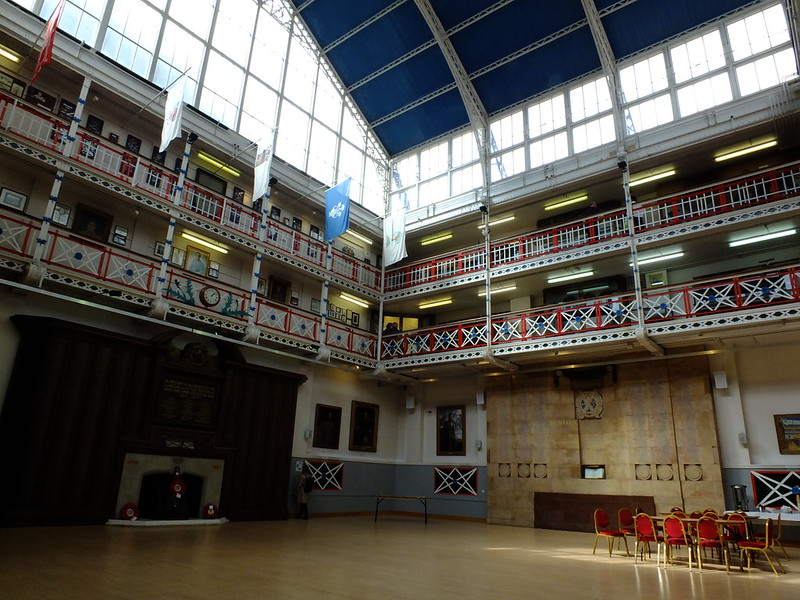
Renovated drill halls at 95 Horseferry Road
Recognition and Significance of Buckingham Gate Drill Halls’ Activities
The drill halls on Buckingham Gate hold a prominent place in the history of military training in Great Britain. Located in the heart of Westminster, on a street with close ties to the Royal Family and governmental structures, they became an important part of the state and defence infrastructure. For decades, these centres served as headquarters for volunteer battalions, were places for troop mobilisation during the First World War, and hosted nationally significant events. Their use adapted to changes in the British Army, the political system, and societal needs. In peacetime, these facilities were open to cadet formations and the police, and were later converted into office premises.