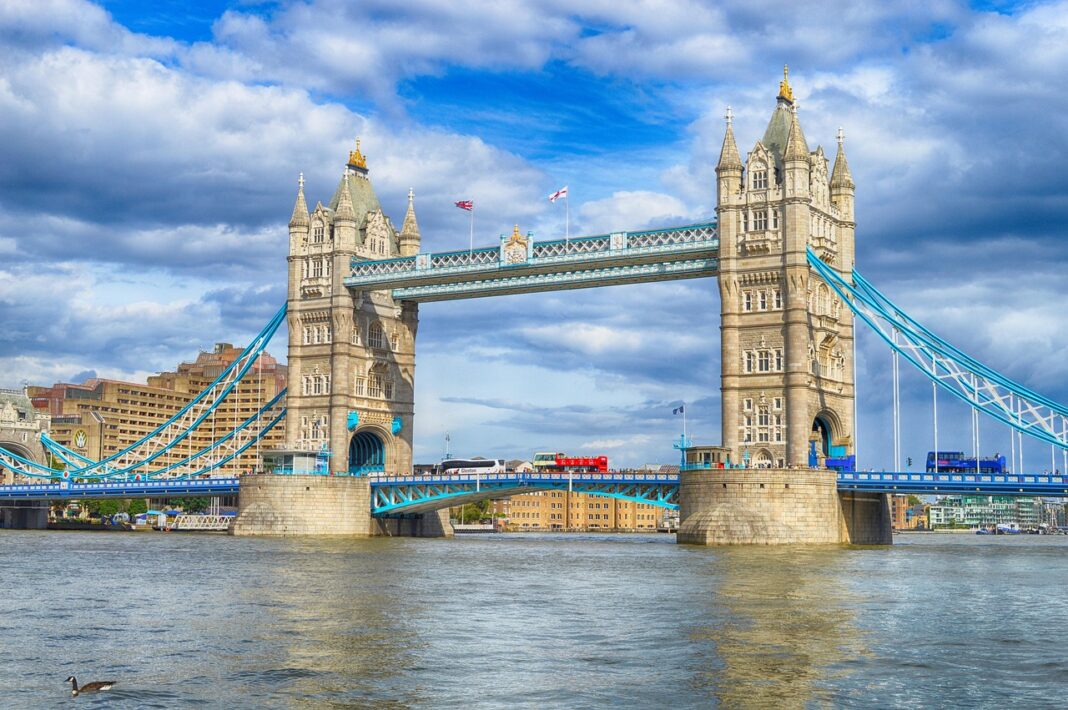

London, the historical and cultural heart of Great Britain, boasts a rich political history. This journey demonstrates the transformation of democratic processes, from medieval self-governance to the modern system we see today.
Over centuries, London’s electoral system, city governance, and political contests have all taken shape. It’s been a complex and lengthy process, reflecting a continuous struggle for the rights and freedoms of Londoners. Read on to discover more at london-yes.
The Dawn of Electoral Processes
The history of London’s elections dates back to when the historic City of London gained the right to self-governance. Its constitution was rooted in ancient privileges and rights, and the City developed a unique form of rule that later paved the way for parliamentary systems at both local and national levels. The City’s right to manage its own affairs was earned through a gradual acquisition of privileges from the Crown. Even then, London was a hub of trade, and its population and wealth afforded it freedoms and rights earlier than other cities.
Initially, London was subject to the Crown’s authority through its sheriff. However, a significant step towards urban independence was taken in the 12th century with the formation of a citizens’ association and the creation of the mayoral office. In 1189, Londoners elected their first Lord Mayor, marking what is often seen as the beginning of the world’s oldest democratic tradition. While these early elections were limited to wealthy merchants, they laid the foundation for local self-governance.
Gradually, aldermen (council members) began to consult with intelligent individuals from their parishes on various matters. By 1285, 40 citizens—one to four from each parish—were required to consult with the aldermen on general city affairs. From 1376, regular meetings, known as the Common Council, were held and gradually assumed most of the responsibilities for governing the City.
During the 16th and 17th centuries, the English Civil War reshaped London’s elections. Representation among citizens increased, though voting rights remained largely the privilege of the affluent.
Expansion of Voting Rights
London’s first directly elected governing body was the London County Council (LCC), formed in 1889 by the Conservatives following the Local Government Act of 1888. The LCC consisted of 118 elected members who oversaw public services in what now constitutes inner London. The Council’s powers were curtailed in 1899 with the creation of 28 borough councils. Importantly, women also gained the right to vote in local elections during this period. From 1906, the LCC was based at County Hall on the South Bank of the Thames.
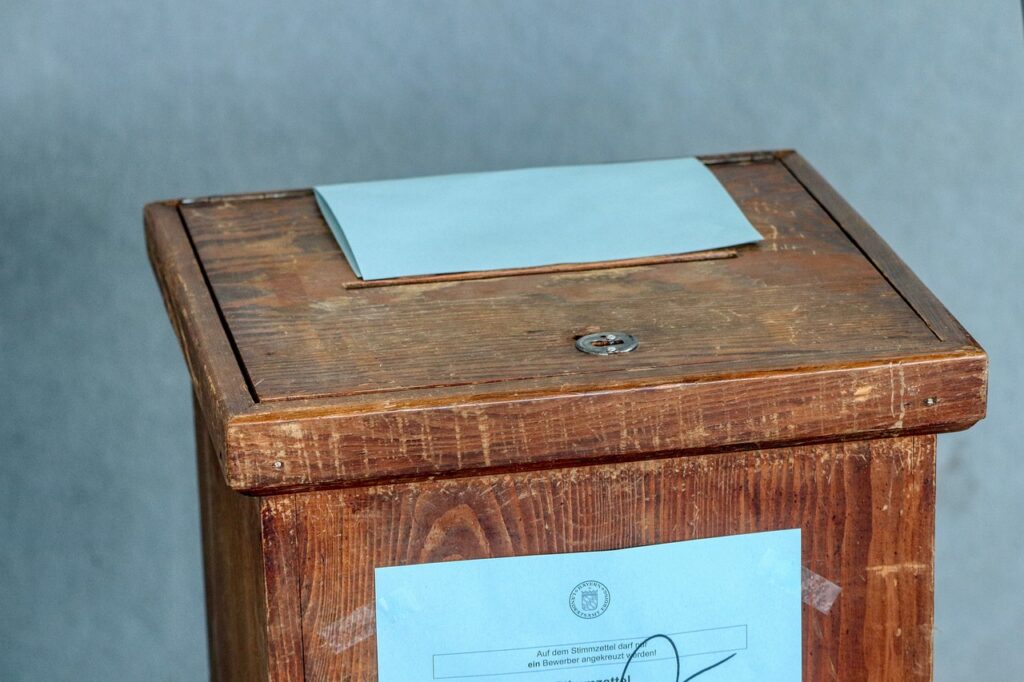
In 1918, the suffragette movement, which was particularly active in London, significantly democratised elections. The capital became a focal point for protests and campaigns, with suffragettes led by Emmeline Pankhurst organising marches and actions to fight for equal rights.
In 1957, Harold Macmillan’s government appointed a Royal Commission to recommend the future of London’s governance. They advised creating a new metropolitan authority to oversee planning, traffic management, and road construction. In 1965, the LCC was replaced by the Greater London Council (GLC), which covered a much larger area. GLC elections were held every three years. In the 1980s, under the leadership of Ken Livingstone, the GLC’s policies led to conflict with Margaret Thatcher’s government. Consequently, the GLC was abolished in 1986, leaving London without an elected body. By the 1990s, public demand and civic leaders advocated for the restoration of an elected authority, culminating in a 1998 referendum. Londoners overwhelmingly supported the formation of the Greater London Authority (GLA) and the creation of the Mayor of London position.
Modern Electorate
Today, London’s political system has evolved to include two main elected elements: the Mayor of London and the London Assembly. Since 2000, Londoners have directly elected both the Mayor and 25 Assembly members. Ken Livingstone became the first Mayor of London, re-elected in 2004 as the Labour candidate. Boris Johnson defeated Livingstone in 2008 and again in 2012. In 2016, Sadiq Khan, the MP for Tooting and a former minister, became London’s third Mayor, defeating the Conservative Zac Goldsmith.
However, modern elections face their own challenges. The 2024 mayoral election, for instance, saw a low voter turnout, and social inequality continues to influence voter preferences. Often, election results in London mirror national trends. Parliamentary elections in constituencies like Vauxhall or Croydon also highlight the metropolis’s political diversity.
Thus, London’s contemporary electoral system is the result of a long and winding journey. The history of its elections is a testament to the ongoing struggle for power and equality, demonstrating the gradual expansion of citizens’ rights. The city has developed a system that showcases the diversity of democracy. This vibrant metropolis remains a hub of political activity, where elections shape not only the future of the city but also that of Great Britain.
Source:
- https://web.archive.org/web/20130815012629/http://www.cityoflondon.gov.uk/about-the-city/history-and-heritage/mansion-house/Pages/History-of-the-Government-of-the-City-of-London.aspx
- https://web.archive.org/web/20130815012629/http://www.cityoflondon.gov.uk/about-the-city/history-and-heritage/mansion-house/Pages/History-of-the-Government-of-the-City-of-London.aspx
- https://www.mayorwatch.co.uk/history-of-london-government/