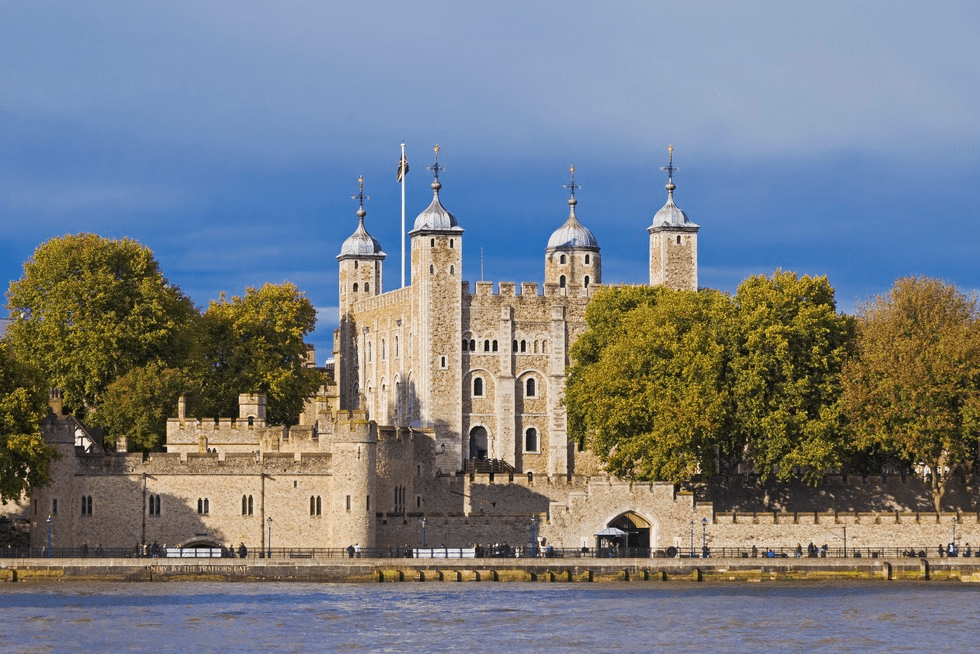

Nowadays, everyone knows that London is one of the biggest cultural, economic, tourist and educational centres in the whole world. However, not everyone knows its history, which is full of various legends and stories. You can imagine how many incredible events the capital of Great Britain has experienced just by looking at the huge number of historical objects located in the city. So, what is the history of London? Learn more at london-yes.
Archaeological finds of the Bronze Age and the first settlements
Archaeologists found in London some remains belonging to the Bronze Age. One of them is the bridge, which was discovered on the southern coast in 1993. In 2010, specialists found the foundations of a large wooden structure dating back to 4800-4500 BC. It indicates the first signs of life in this area. The first large settlement was founded by the Romans around 47 AD. However, they didn’t live here too long, as in 61, the Iceni tribe completely burned the settlement and occupied these lands. Soon, the Romans returned control over the city. In the 2nd century, London underwent considerable changes. The most important administrative buildings were located here and the city became the capital of Great Britain. The famous Roman Wall was built here around 200. Its remains can still be seen in the centre of modern London. During the entire period of the Romans’ rule, the country has changed a lot. They also influenced the development of the capital. In the 5th century, these people left the city.
The Anglo-Saxon period
In the middle of the 6th century, the city became part of the Kingdom of the East Saxon. In 730, Mercia representatives came to power in London. Later, the city suffered from constant Viking attacks. In fact, they controlled the city for a very long time. At first, the Vikings stayed in this territory for twenty years. Then King Alfred the Great made peace with them, but in 1013, the Vikings captured London again and stayed here until 1042. By the 11th century, the city had developed significantly and became one of the main trade, economic and defence centres of the country.
Middle Ages
The city was divided into two parts in that historical period. Westminster played an important administrative and political role, while the City of London was a commercial centre. At that time, the city acquired its self-government, and most importantly, the head of London. This position was called Lord Mayor. Unfortunately, the Middle Ages are also known for a large number of epidemics. One of the most terrible was the plague that raged in the city during the 14th century. The horrible and merciless Black Death claimed thousands of lives. The population of London decreased by a third after those events.
Further history of the city
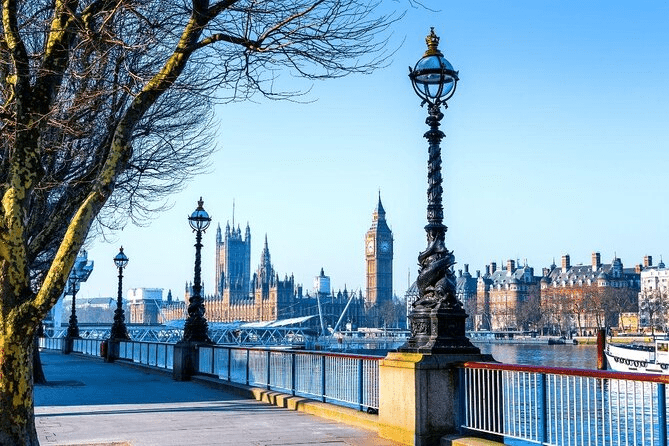
In the 15th century, the Tudors came to power in the country. The centralisation of power in the hands of the King contributed to the rapid development of the city. Such a flourishing atmosphere prevailed in London for a long time. Trade routes were improved, various enterprises were increasing in number, the cultural and educational sphere was developing and science was flourishing. However, several times the situation in the city worsened due to unexpected outbreaks of the plague. Later, the problem was solved thanks to the improvement of the sewage system. Other important events from London’s history are the Great Fire of London, the opening of the first railway, the Second World War bombing and the creation of numerous amazing architectural objects. In general, London has gone through a lot to acquire its modern look.