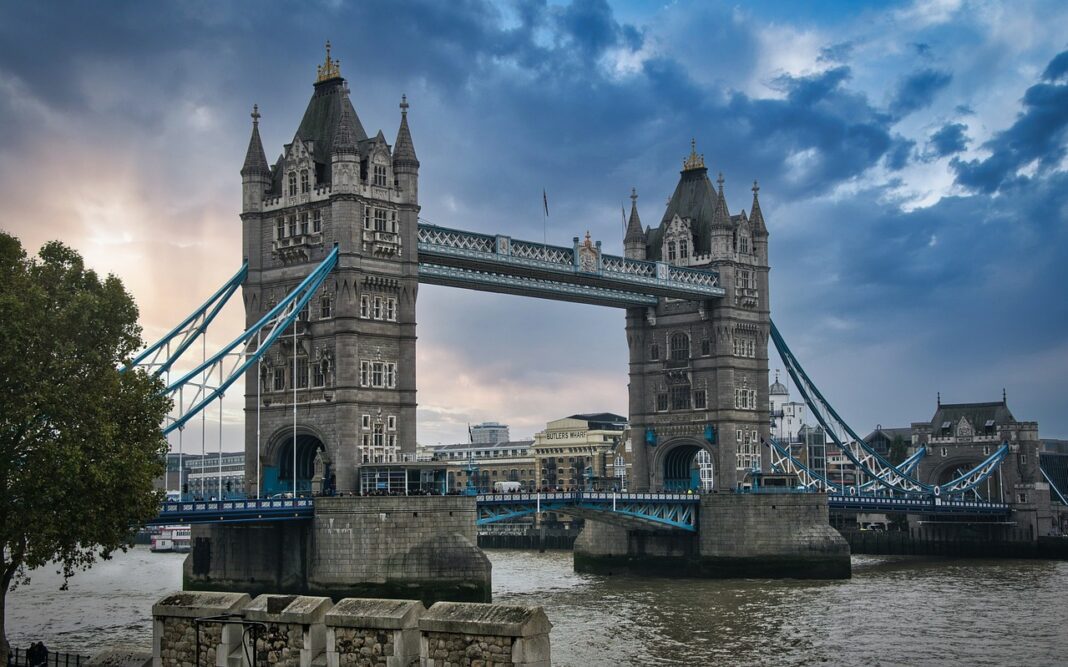

Considering the history of London, it is worth mentioning the First World War period, which began in August 1914 and affected the lives of many city residents. Since the metropolis is the heart of Great Britain, it became a strategic centre of military management and an object of attack. Learn more at london-yes.
During the First World War, London experienced the first bombings. German Zeppelin airships attacked areas of East London. Threatened civilians struggled with the new challenges of war every day.
Strategic importance of London
The First World War wasn’t as destructive for London as it was for other cities in Europe. At that time, the metropolis was the financial centre of the world and the port of London was the busiest and most successful one. During the war, London was the administrative and military centre of the country and housed the government and intelligence services. Winston Churchill organised the work of the Admiralty and the main fleet strategies.
An important institution was Room 40. It was a cryptanalysis centre, which deciphered enemy messages. The city’s enterprises were repurposed to work for the needs of the war. They produced weapons, ammunition and military equipment.
The country also launched a large-scale mobilisation. London became a centre of recruitment and was filled with the spirit of patriotism. The recruitment to the army was promoted through printed leaflets and brochures. Street rallies and parades shaped a common goal and contributed to rapid mobilisation. Most men from 18 to 40 years old were called up. A few days after the declaration of war, young people working in London responded to the call to enlist in the army. They were distributed to different military units. The recruits were trained in the Tower of London Moat. 1,300 people working in the city’s companies joined the City of London Battalion.
City at war
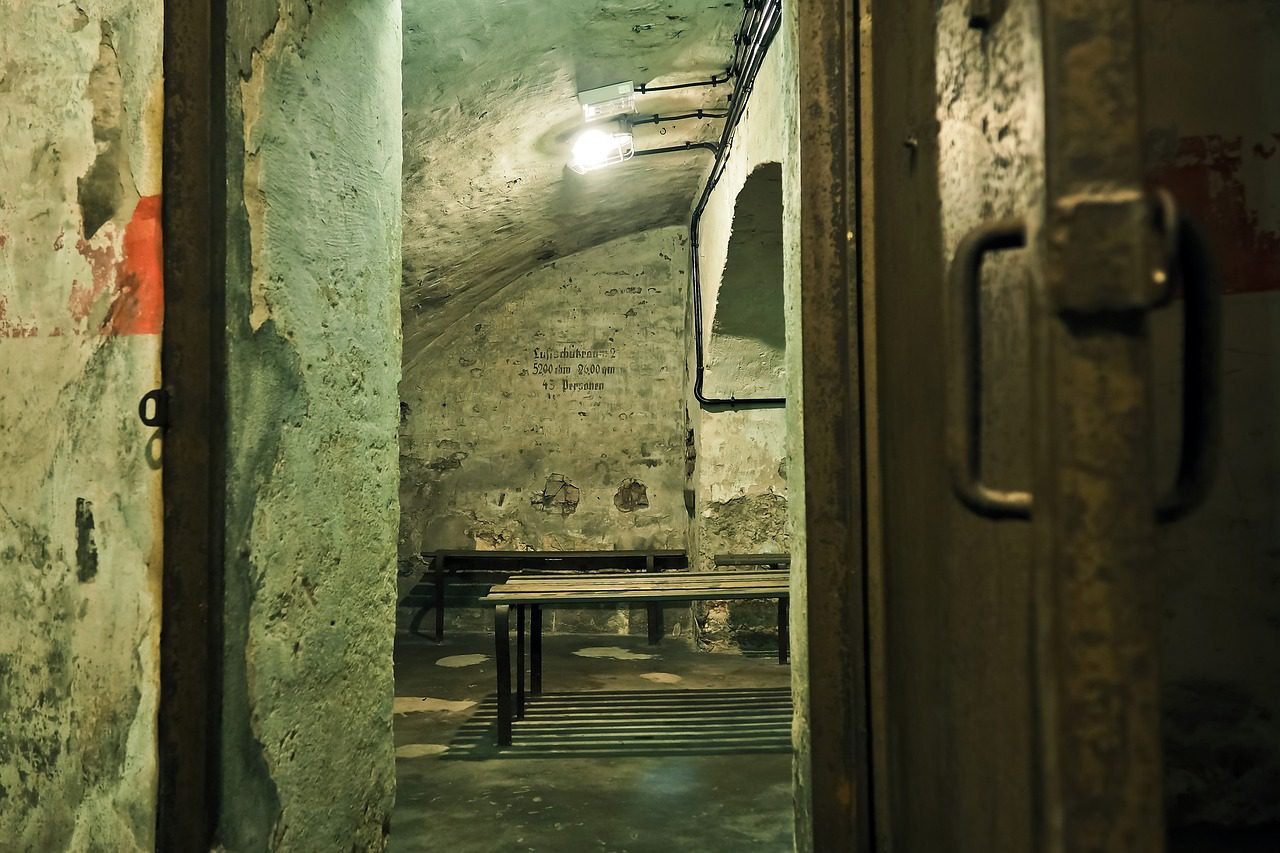
At the start of the war, London hadn’t developed a safe way of behaving during air attacks yet, so people went out into the streets to watch what was happening in the sky during the first raids. Many people died because of this irresponsibility. The Zeppelin airships were the largest flying craft. Their length reached 210 metres. The first air raid took place unexpectedly on the night of May 31, 1915. The Zeppelin ship flew in a wide arc over Hoxton, Dalston, Shoreditch, Whitechapel and Stepney and headed for Leytonstone, dropping more than 100 bombs, most of which were incendiary. Londoners began to hide in basements and deep underground tube stations to save their lives.
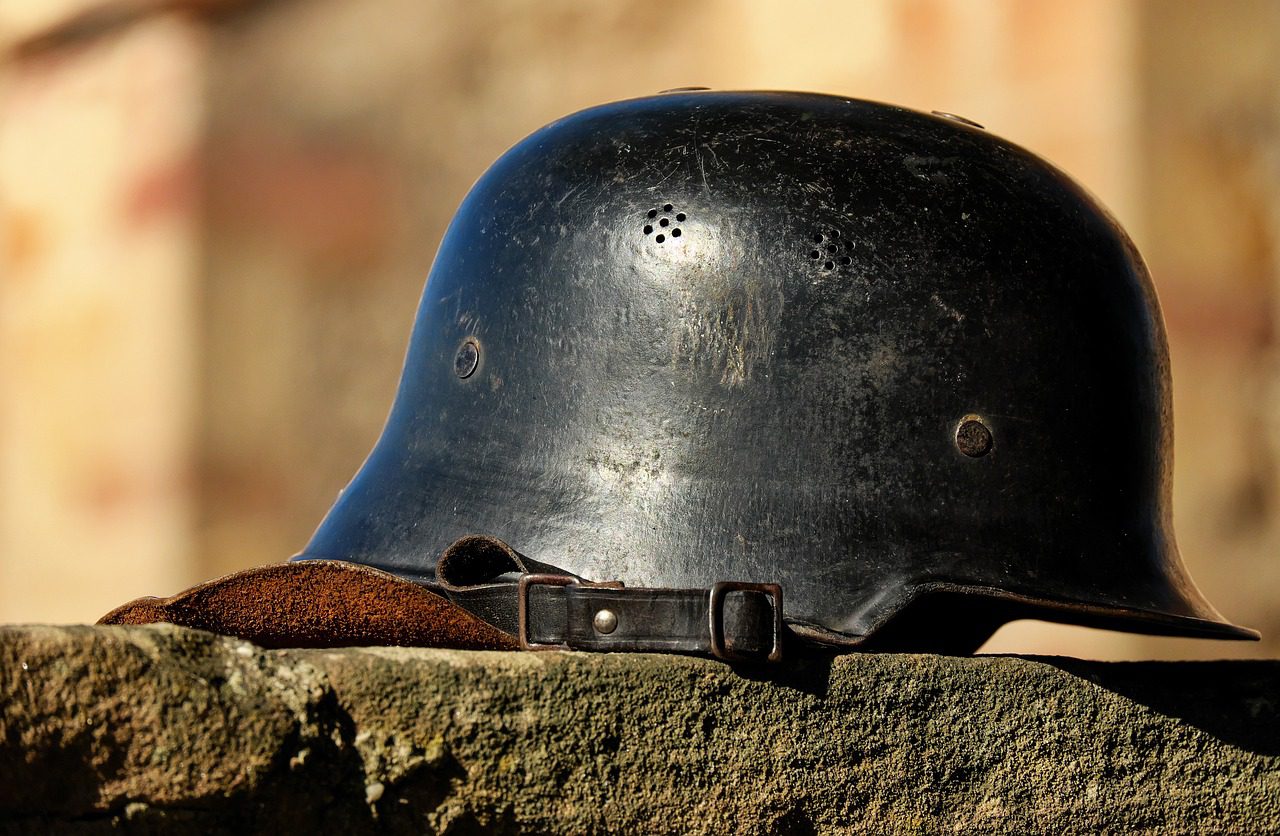
This attack wasn’t as devastating if compared to World War II ones. Still, it killed seven people, including four children and injured 35. The event came as a shock to Londoners. The raid took place at night, so it was difficult for the sky defenders to do their job. The only option was to drop an explosive device on the airship, but the Zeppelin easily evaded the planes. After the bombing, Londoners expected another attack on the British capital, but the skies over the city remained clear for another 11 weeks.
On August 17, 1915, the German airship reached London again and dropped bombs along the north bank of the Thames between Blackfriars and Tower Bridge. The bombs fell between Walthamstow and Wanstead Flats. 10 civilians were killed and 48 were injured. There were several more attacks, but the most terrible one happened on June 13, 1917. It was made by German Gotha planes. The raid claimed the lives of 160 people, including children. The authorities strengthened air defences and placed anti-aircraft guns in the city. In addition, people had to follow the rules of light camouflage.
The raids on London claimed the lives of about 700 people and injured almost 2,000, but the fighting spirit of the British remained unshakable. For the first time in British history, civilians were targeted in war.
Social transformation
Changes touched the lives of ordinary people. Women were left alone with children and factories were short of workers. Women began to replace men and work on farms, public transport and factories. Some also joined the Women’s Army Auxiliary Corps (WAAC). There they performed important tasks, drove cars, worked in hospitals and participated in logistic operations.
The war also affected agriculture and the food distribution. Due to the naval blockade and changes in the country, food shortage became a common phenomenon. Crop failures led to a shortage of bread, which had a burdensome impact on poor families. Even if food was available, prices were often high and not all Londoners could afford to feed their families.
End of the war
The war ended with the Allies’ victory on November 11, 1918. The city didn’t forget its heroes and honoured them with the Cenotaph on Whitehall. It became the main memorial to fallen people during the hostilities. In addition to being a centre of mobilisation and decision-making, London was also a place of cultural transformations that laid the foundation for further social changes. Despite all the difficulties, Londoners demonstrated resilience in facing tragic events and harsh living conditions.
Source:
- https://media.nationalarchives.gov.uk/index.php/defeating-zeppelins/
- https://learnodo-newtonic.com/britain-ww1?ysclid=m45h4k0utw588167077
- https://www.hrp.org.uk/tower-of-london/history-and-stories/the-tower-of-london-and-the-first-world-war/#gs.ibc64p
- https://www.londononline.co.uk/history/1900-1939/2/