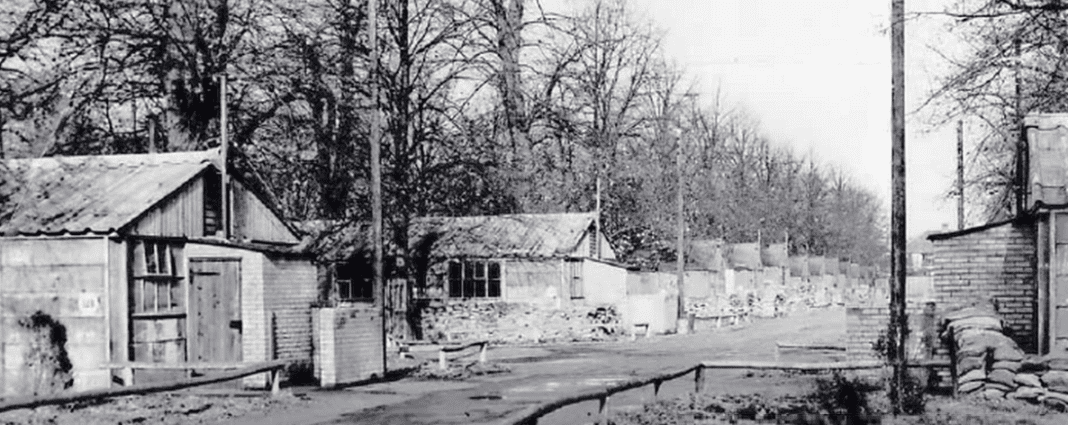

Camp Griffiss, a US military base in Great Britain, became the nerve centre for the most critical operations of the Second World War. By fostering international military cooperation, it galvanised the Allied effort. Read more at london-yes.
The Origins and Growth of Camp Griffiss
In 1942, Camp Griffiss emerged as a vital installation for American forces. Built within Bushy Park, its unique location granted it immense strategic importance. General Dwight D. Eisenhower had been reluctant to establish his headquarters in central London due to security concerns; instead, he moved to the city’s southwestern outskirts to set up the Supreme Headquarters Allied Expeditionary Force (SHAEF).
The base was named in honour of Lieutenant Colonel Townsend Griffiss. He was the victim of a tragic friendly-fire incident when his aircraft was mistakenly shot down by Polish RAF fighters. This tragedy made him the first American airman to die in the line of duty in Europe following the United States’ entry into the war.
Camp Griffiss operated under the codename ‘Widewing’ (also known as AAF-586). However, the dispersed nature of the command structures often led to confusion. For instance, the VIII Fighter Command was based 25 miles away at Bushey Hall, while the VIII Bomber Command was stationed at High Wycombe. Meanwhile, Brigadier General Ira Eaker worked across both sites, frequently meeting Lieutenant General Carl Spaatz at Bushy Park.
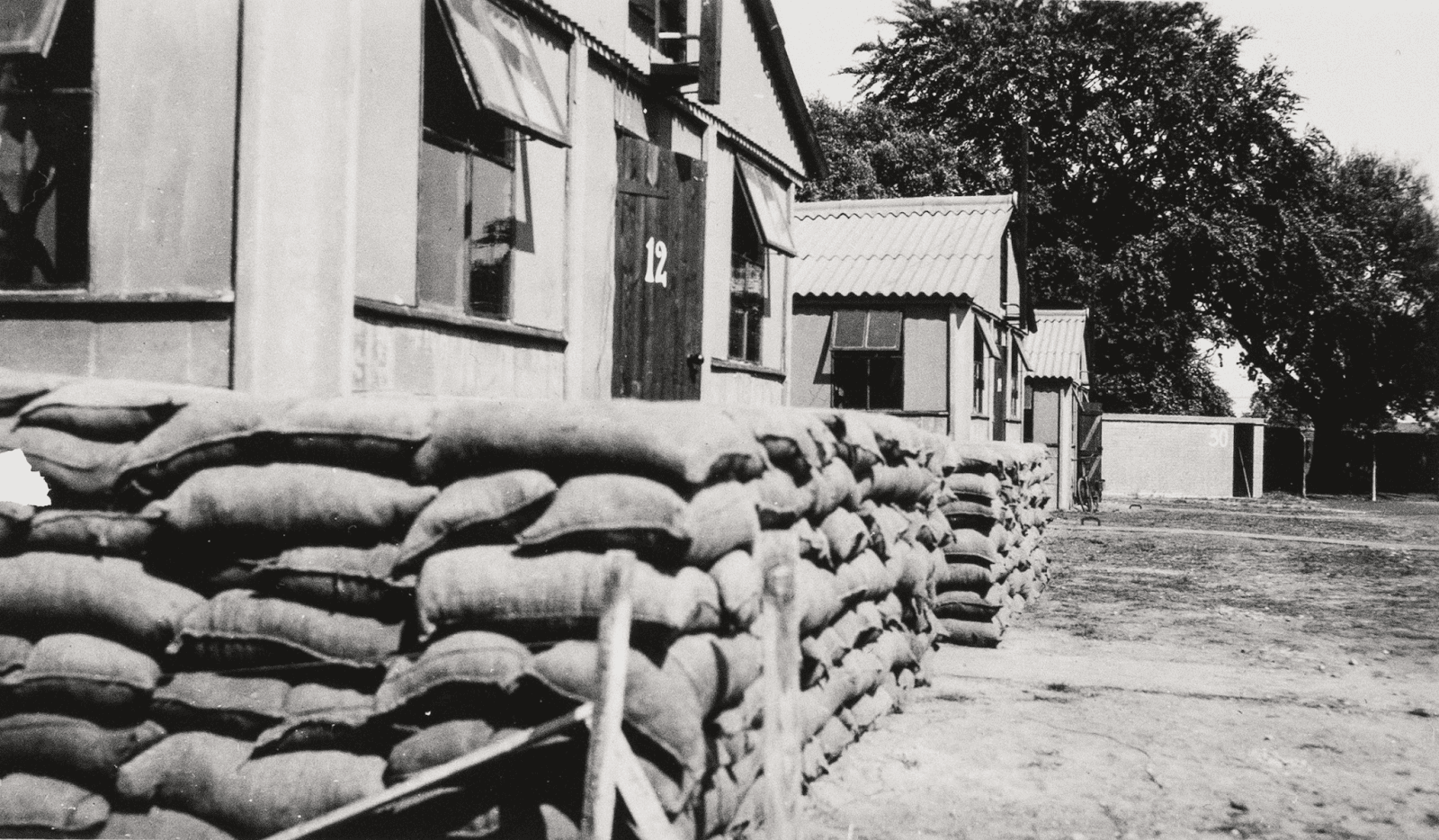
A defining feature of Camp Griffiss was its ability to blend into the natural landscape, hidden amongst dense foliage and picturesque lakes. This natural camouflage provided essential protection against enemy aerial reconnaissance. Furthermore, the park’s central avenue was adapted into a runway, allowing for the rapid transport of personnel and equipment. Despite its military function, the area retained some of its recreational charm, including boating on the lakes.
By 1944, Camp Griffiss took on a pivotal role in the fight against Nazi aggression. It was during this time that SHAEF moved its headquarters to Bushy Park. Under General Eisenhower’s leadership, the plans for Operation Overlord—the largest Allied invasion of Europe—were meticulously coordinated here. This work paved the way for the successful liberation of German-occupied Western Europe.
In the post-war years, the vacated huts of Camp Griffiss provided temporary shelter for homeless families. Adapting the site to their needs, they made use of the empty buildings, communal toilet blocks, and standpipes. However, these residents eventually had to find new homes when the camp was finally demolished by 1963.
The Royal Parks
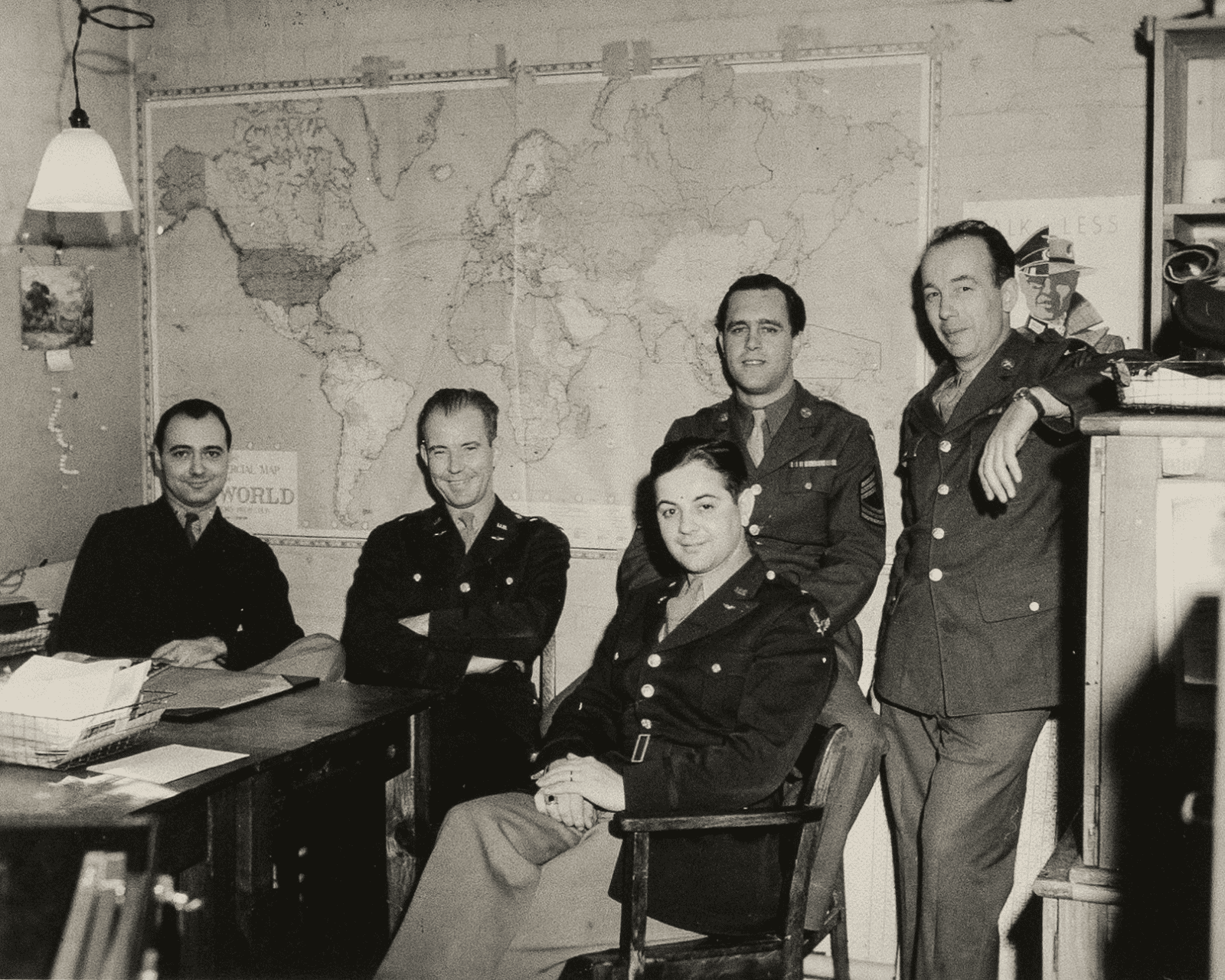
US Air Force Officers
Recognition and Legacy of Camp Griffiss
Camp Griffiss played a fundamental role in the strategy of the US Eighth Air Force. Leveraging the base’s facilities, the Eighth Air Force led the bombing campaigns against key targets across Western Europe. The camp’s secluded location ensured necessary security, while its infrastructure enabled seamless coordination between various Allied forces. This operational synergy helped create the largest air armada in history. Today, memorial plaques and a flagpole stand in Bushy Park as a tribute to the thousands of American and British personnel who served there. These monuments specifically honour the US Air Force, the United States Strategic Air Forces in Europe, and the Royal Air Force.
The Royal Parks