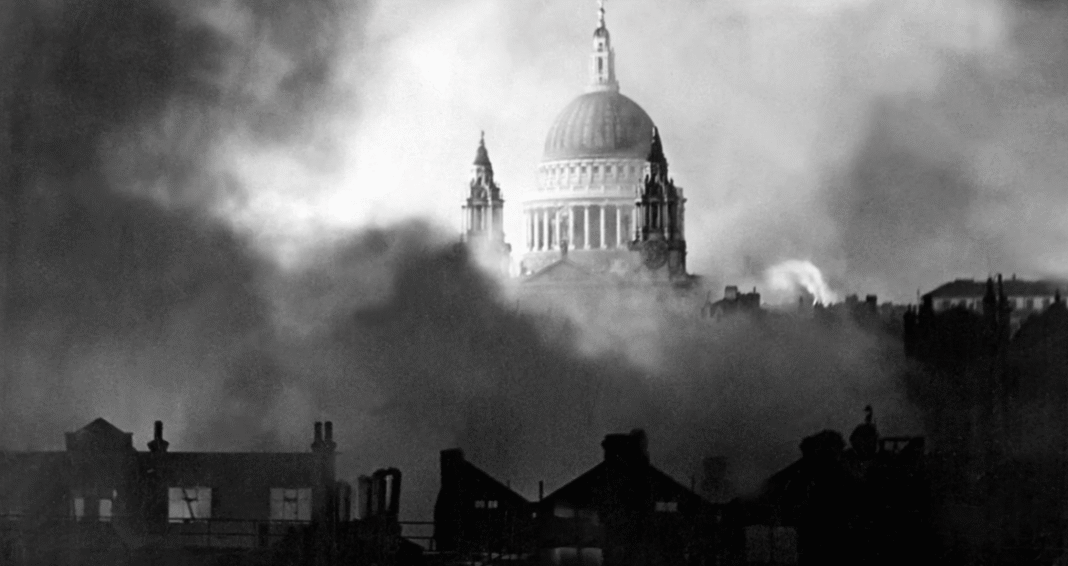

In the summer of 1940, Britain faced the threat of an imminent German invasion. Although nearly 340,000 troops were rescued during the Dunkirk evacuation, the British Expeditionary Force was forced to abandon virtually all its heavy military equipment on the continent. Following the fall of France, Nazi High Command drew up Operation Sea Lion—a large-scale invasion of the British Isles.
The imperial capital knew that if coastal lines collapsed, London would be the next target. To halt the Wehrmacht’s advance, an unprecedented system of defense lines known as Stop Lines was constructed around the metropolis. Barricades, anti-tank obstacles, thousands of reinforced concrete pillboxes, and concealed machine-gun nests were designed to turn the capital into an impenetrable fortress. At the same time, over 1.5 million Home Guard volunteers were mobilized nationwide for prolonged urban combat. Virtually overnight, a bustling civilian city was transformed into a subterranean fortress.
To learn more about London’s military history, architectural secrets, and wartime life, visit london-yes.com.
London’s Secret WWII Defenses: Barricades, Anti-Tank Lines, and Fortifications
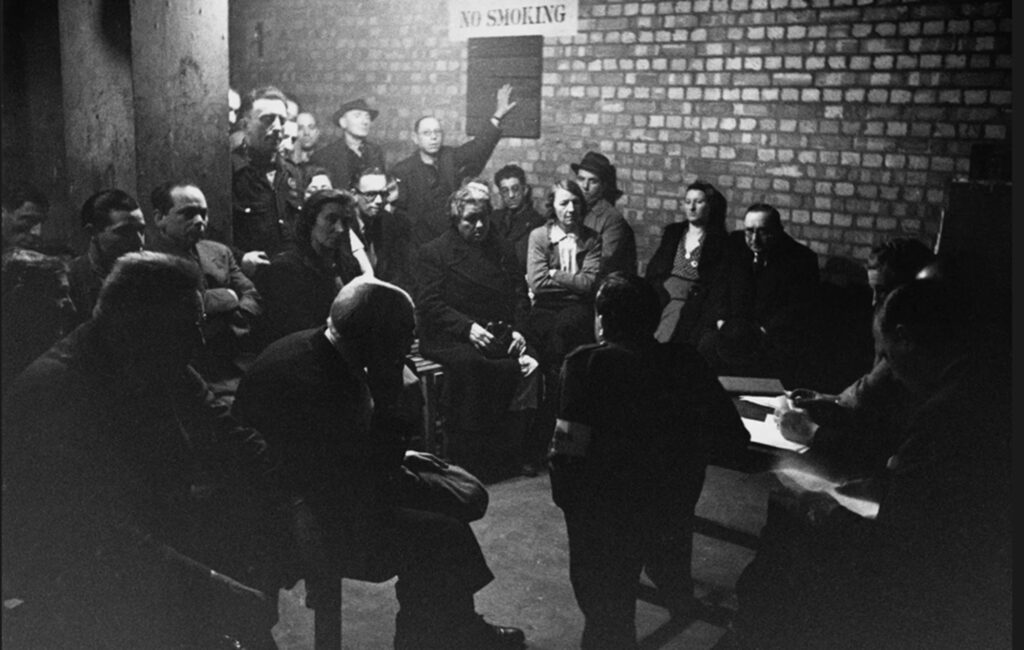
Following the Dunkirk evacuation in the summer of 1940, Britain faced the real threat of a ground invasion for the first time in centuries. To coordinate the nation’s defense, the government established the Home Defence Executive under General Edmund Ironside.
The cornerstone of British strategy was a network of Stop Lines—defensive barriers designed to slow down an advancing enemy. These lines ran along rivers and canals, with key bridges wired for demolition. Around major roadways, engineers constructed reinforced concrete pillboxes, anti-tank obstacles, machine-gun nests, and artillery emplacements.
The central pillar of this network was the General Headquarters (GHQ) Line. As the longest defensive line, it stretched across southern England, shielding London and key industrial hubs. Its objective was not to destroy the Wehrmacht outright, but to stall their progress, buying crucial time for mobile army reserves to counterattack.
Directly surrounding the capital, an inner and outer defensive ring was hastily constructed. Instead of medieval walls, London was ringed by miles of trenches, barbed wire, and concrete fortifications. Under this strategy, pillbox networks were designed to pin down enemy forces. The core logic was straightforward: bleed German columns on the approaches, keeping them far from the capital’s residential quarters.
London Under Siege: Preparing Civilians for a German Invasion
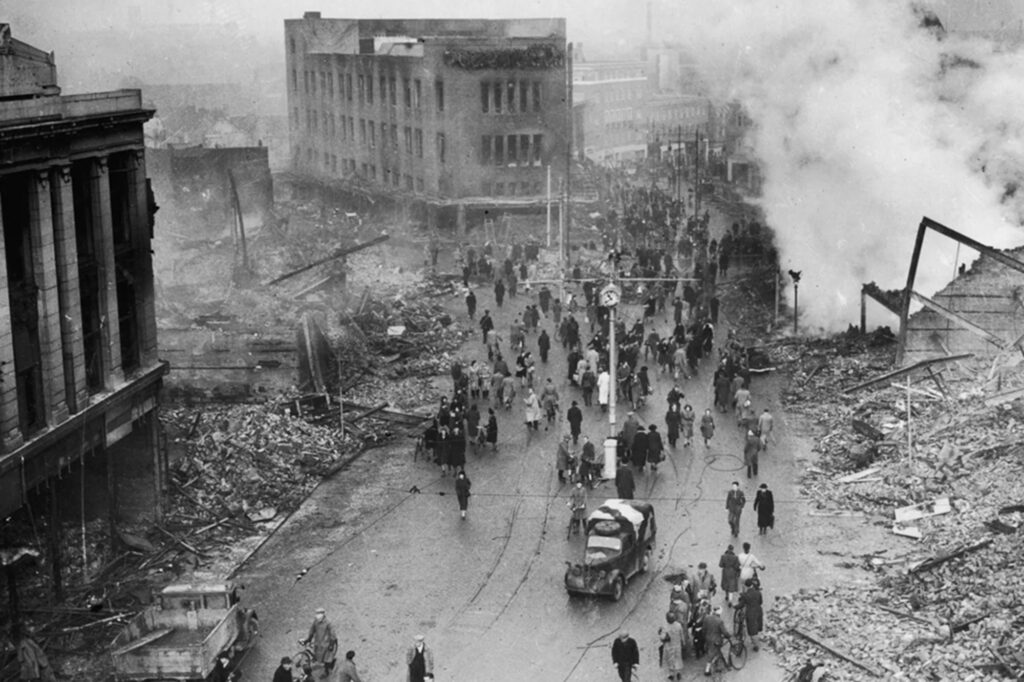
Defending the capital could not be left to regular troops alone. On May 14, 1940, Secretary of State for War Anthony Eden announced the creation of the Local Defence Volunteers, later renamed the Home Guard. Within six days, 250,000 men enlisted; by November, the force had grown to 1.7 million.
Affectionately nicknamed “Dad’s Army,” these volunteers played a vital military role. Home Guard units guarded London’s factories, bridges, and railway junctions. Although severely short on weapons and uniforms at first, they eventually received tactical training for close-quarters urban fighting.
At the same time, civil defense preparations accelerated under Air Raid Precautions (ARP). Following France’s surrender, safety measures in the capital intensified: gas masks were issued en masse, homeowners were guided on setting up air-raid shelters, and hundreds of thousands of children were evacuated to the countryside. Volunteer firefighting units and medical posts operated around the clock.
Secret London: Bunkers, Command Centers, and the Capital’s Defense Strategy
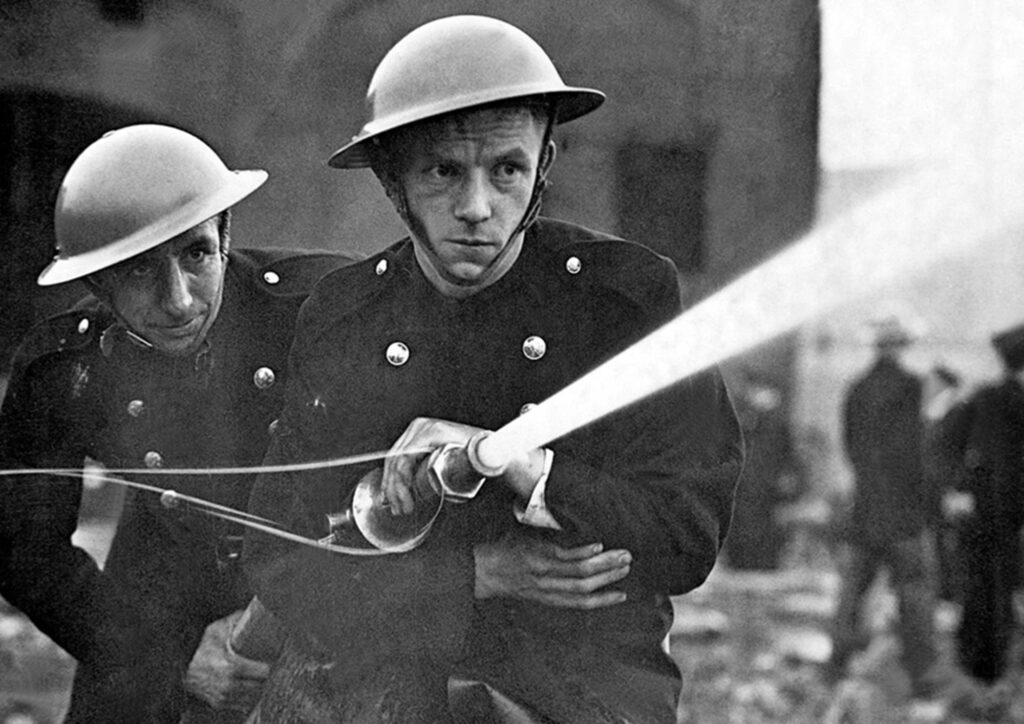
Alongside visible fortifications existed another network—invisible to most Londoners. This secret infrastructure consisted of command posts, backup headquarters, secure communications hubs, and underground facilities designed to keep the government running even if enemy forces breached the outer defenses.
While concrete anti-tank barriers and suburban pillboxes were built to delay the Wehrmacht on the ground, subterranean command centers and secure communication lines ensured uninterrupted control over the city and military forces during an invasion.
In 1940, British military planners prepared for the worst: a full-scale land battle for England could destroy surface infrastructure and telephone networks. This made underground backup command posts and decentralized government operations critical to survival.
Subterranean facilities played a major role in this hidden network. London already possessed a vast system of Underground tunnels and stations, which civilians used as bomb shelters during the Blitz. Simultaneously, military and government authorities built specialized, hardened bunkers for senior leadership.
Two legendary sites anchored this hidden network, their locations strictly classified at the time: the Cabinet War Rooms—an underground complex beneath the Treasury building in Whitehall. From here, Prime Minister Winston Churchill and his War Cabinet coordinated the defense of both London and the nation.
The second site was Paddock—a secret alternative command bunker constructed deep underground in Dollis Hill, northwest London. The government and King George VI were to be evacuated here immediately if central London fell to the enemy.
Yet the most impressive accomplishment was not the concrete itself, but the intricate logistical network operating within it. In the event of an invasion, tactical intelligence had to flow seamlessly between regular army units, the Home Guard, police forces, civil defense services, and local municipalities.
Even London’s transport system was treated as a tactical asset. Railway hubs, main roads, and bridges across the Thames held strategic value. They were designated to rapidly deploy General Alan Brooke’s mobile reserves or evacuate civilians. Conversely, bridges were rigged with explosives, ready to detonate to block advancing enemy armor.
In this sense, London’s secret defenses were far more than a collection of hidden underground rooms; they represented a comprehensive, meticulously planned emergency management system for a massive metropolis.
How London Survived the Threat: Why German Troops Never Reached the Capital
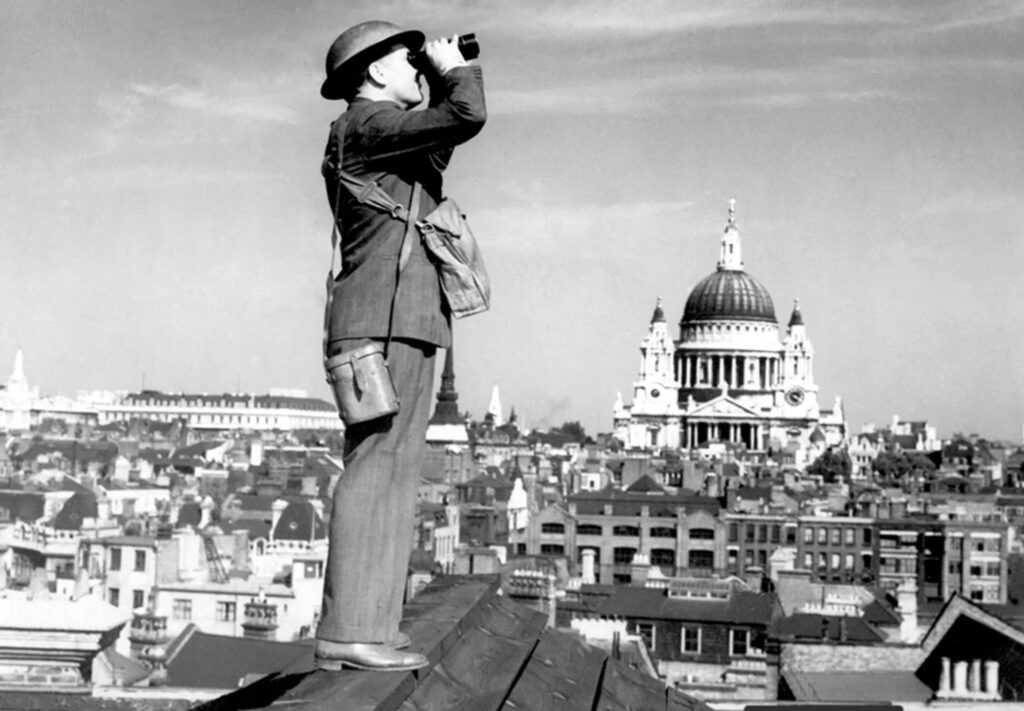
While Britain was fully prepared, a full-scale German invasion never materialized. The German plan, Operation Sea Lion, called for landings in southern England. However, to execute it, Germany needed total air superiority over the skies and safe passage across the English Channel.
The Royal Air Force denied the Luftwaffe air dominance during the Battle of Britain, while the Royal Navy posed an insurmountable barrier to any sea assault.
Ultimately, the invasion plan was shelved. Operation Sea Lion never left the planning stage, and Britain’s elaborate defense system was never put to its ultimate test—a full-scale ground battle for London.