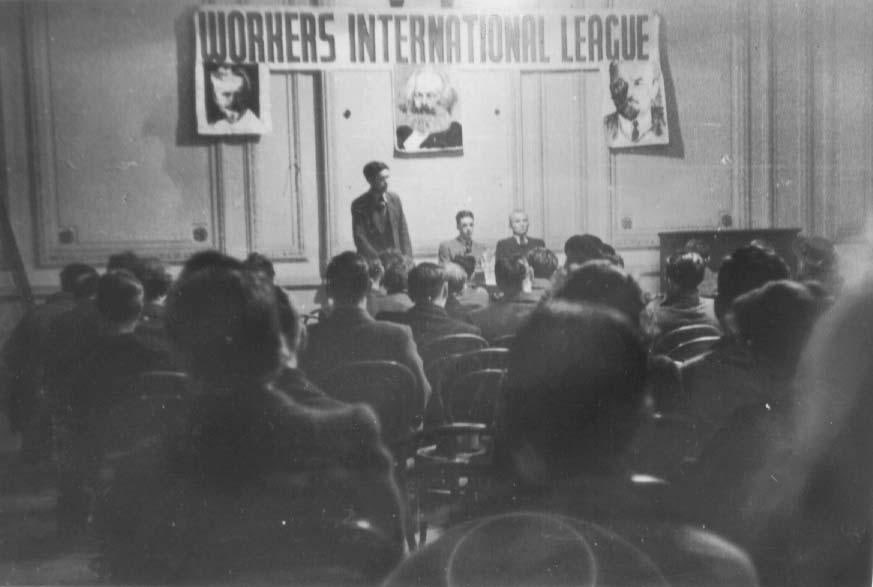

After the Second World War, the British political scene became particularly dynamic. Within this diverse landscape, the Workers’ Revolutionary Party (WRP) distinguished itself with its radicalism and ambition. It aimed for global change, but behind a façade of ideological devotion lay internal conflicts, financial scandals, and not always honest alliances. Read more on london-yes.
The Founding and Evolution of the Workers’ Revolutionary Party
The roots of the Workers’ Revolutionary Party in Great Britain stretch back to 1947, when it first emerged as “The Club.” Its headquarters were in London, founded by Gerry Healy and John Lawrence — leaders of a faction operating within the Revolutionary Communist Party. The organisation’s primary goal was to create conditions for political unrest to actively spread Marxist ideology worldwide. From its inception, it gained a reputation as one of the most radical Trotskyist currents, known for its uncompromising dedication to Marxist orthodoxy.
In 1959, “The Club” transformed into the Socialist Labour League (SLL), officially declaring itself a Trotskyist party. Despite this, most of its members remained active within the Labour Party. During this period, the organisation’s leadership began to claim that a revolutionary situation had formed in the country. In the early 1970s, the League launched a daily newspaper, Workers Press, significantly expanded its membership, and grew wary of infiltration by state security services. It reacted harshly to both internal and external critics, and in its public activities, it emphasised the escalating political crisis in Great Britain.
In 1973, the Socialist Labour League began the process of transforming into the Workers’ Revolutionary Party. While it aimed to bolster its political influence, the new programme significantly lowered the ideological requirements for its members. In fact, anyone who held even moderate left-wing views could become a party member. This new recruitment policy, therefore, didn’t focus on preparing for a proletarian revolution but rather supported the Labour government and the implementation of a social democratic agenda.
In October 1985, Gerry Healy, the Workers’ Revolutionary Party’s long-standing leader, was expelled. Further expulsions extended to well-known supporters such as Vanessa and Corin Redgrave. The atmosphere within the organisation, which over time became increasingly closed off and intolerant of criticism, began to alienate members who saw their involvement in the movement as an ideological struggle rather than subservience to a narrow circle of leaders. A belief emerged that the party had deviated from its stated principles and had transformed into a tool for protecting its own privileges.
The late 1980s and early 1990s marked the final decline of the Workers’ Revolutionary Party. With the collapse of the Soviet Union and the fading of ideological confrontation between East and West, some sources of support for such radical groups disappeared. Libya’s role in international politics also weakened, which impacted the funding of its British allies. Due to scandals surrounding the leadership and accusations of abusing members’ trust, the organisation ceased its activities in 1991.
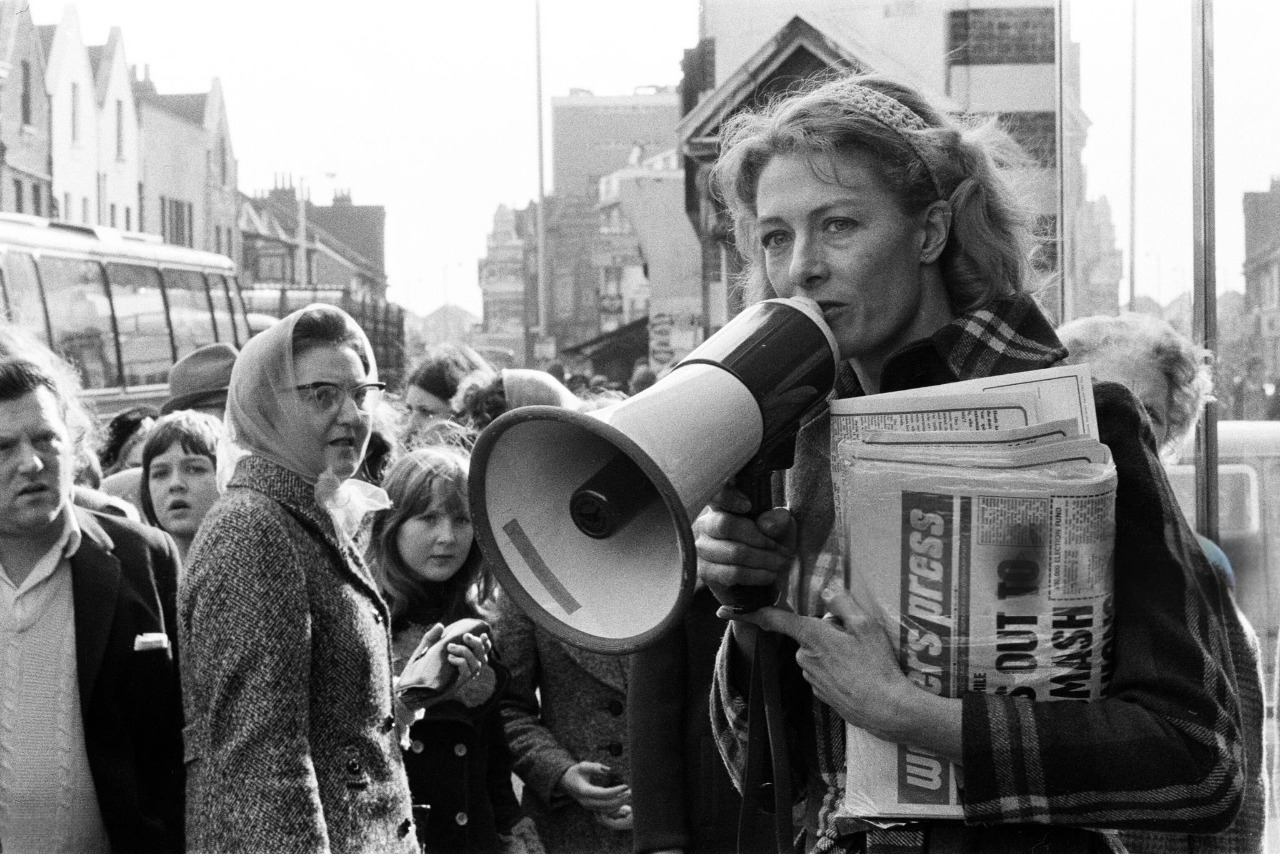
Vanessa Redgrave
Recognition and Significance of the Workers’ Revolutionary Party’s Activities
The history of the Workers’ Revolutionary Party serves as an example of how grand theoretical ambitions can transform into a problematic political reality. While formally proclaiming a struggle for the overthrow of capitalism, it simultaneously practised strategies that increasingly diverged from classic revolutionary rhetoric. From loud street protests to obscure ideological treatises, its methods at times appeared more like theatrical acts than genuine steps towards social change. It eventually became clear that behind the revolutionary rhetoric lay narrow party interests, self-preservation, and control.
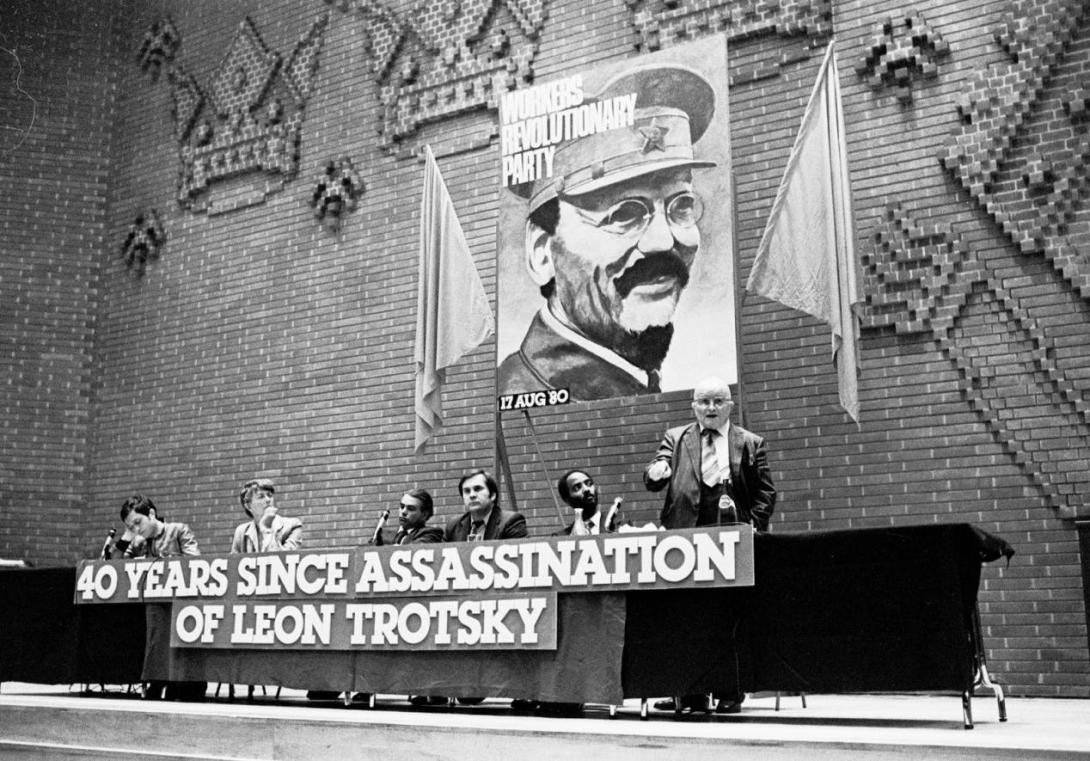
Gerry Healy at a WRP conference