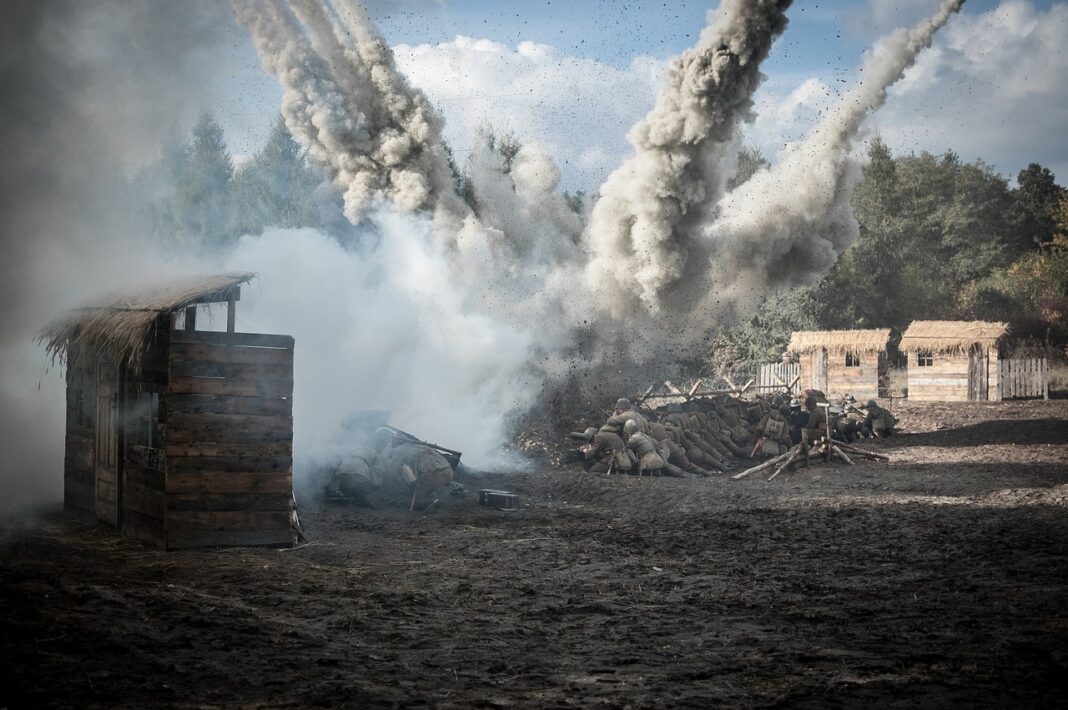

Londoners played a huge role in the defence of their city during World War II. Many people became members of the home guard, worked in the air defence and fire service or took part in Blitz intelligence. The unemployed were called up to the Royal Army Pay Corps. The Women’s Voluntary Service organised the evacuation of children and created centres for people who had left their homes due to the bombing. They also opened canteens as well as medical and resettlement posts. Learn more at london-yes.
World War II brought a lot of suffering to the residents of London. They had to defend the country and their city, so mobilisation was extremely important.
Bloody World War II
Mobilisation is the process during which a country and its government prepare for war, organising and collecting resources. They also form troops and care about weapon supply. The rapid mobilisation of Great Britain played an important role in the victory.
When it became clear in 1939 that World War II would begin indeed, the mobilisation process began. At first, young men aged 20 to 22 were called up for service. Already in May 1939, the first groups of men went to military training, which lasted six months. Becoming a military man wasn’t so easy because they had to undergo a medical examination and training. Students and people in critical professions such as railway workers, policemen, telegraph operators, bakers, lighthouse keepers and others were exempted from service. Accountants also weren’t mobilised after the age of 30.
Men from 18 to 41 were subject to mandatory conscription. In 1942, the mobilisation limits were expanded and men began to be called up from the age of 18 to 51. They served in the regular army and the Air Force. An important role was played by the Air Raid Precautions (ARP), which ensured the evacuation of Londoners and distributed gas masks. More than 38 million gas masks were distributed and they were given even to babies. There were also civil defence units, which included firefighters, medics and volunteers who helped during air raids. Of course, there was a shortage of male workers due to the mobilisation processes. For example, there was a sharp decrease in the number of male teachers and classes had to be combined to provide more children with education.
Mobilisation of women
Historians believe that Great Britain had great success in mobilisation because the leadership managed to divide people according to the necessary skills. High rates were also achieved thanks to the mobilisation of women, which was introduced after December 1941. Unmarried women in their 20s and 30s were conscripted and offered a choice between military service and industrial work. Women also supported the military and worked in the rationing of consumer goods. They were recruited into the Women’s Auxiliary Corps (WAC) and the Women’s Royal Naval Service (WRNS). By the end of the war, over 70% of women in London were involved in the military in some way.
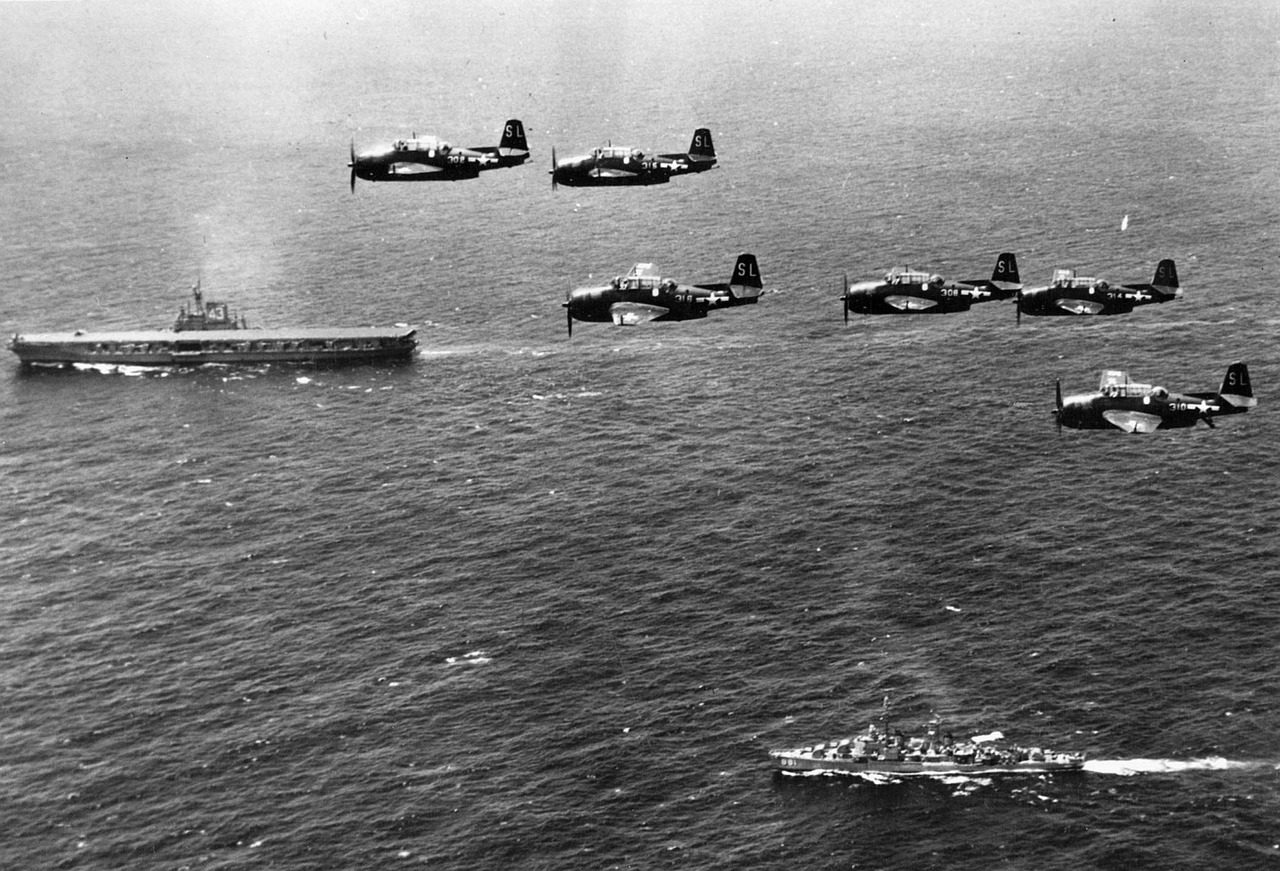
It is worth noting that pregnant women, those with children under 14 or with heavy household responsibilities couldn’t be called up. Women whose husbands were already mobilised were sent to work locally. The Women’s Voluntary Service organised the evacuation of children and created housing centres for people who had lost their homes due to bombings.
Industrial mobilisation
It is also worth mentioning the peculiarities of enterprises’ operation during the war. London was an important centre of the military industry. Factories changed the format of their work and began to produce weapons, ammunition and military equipment. Enterprises in London, like in the whole country, worked for defence purposes. There were also many volunteers at the factories, who helped a lot with the production processes and worked part-time.
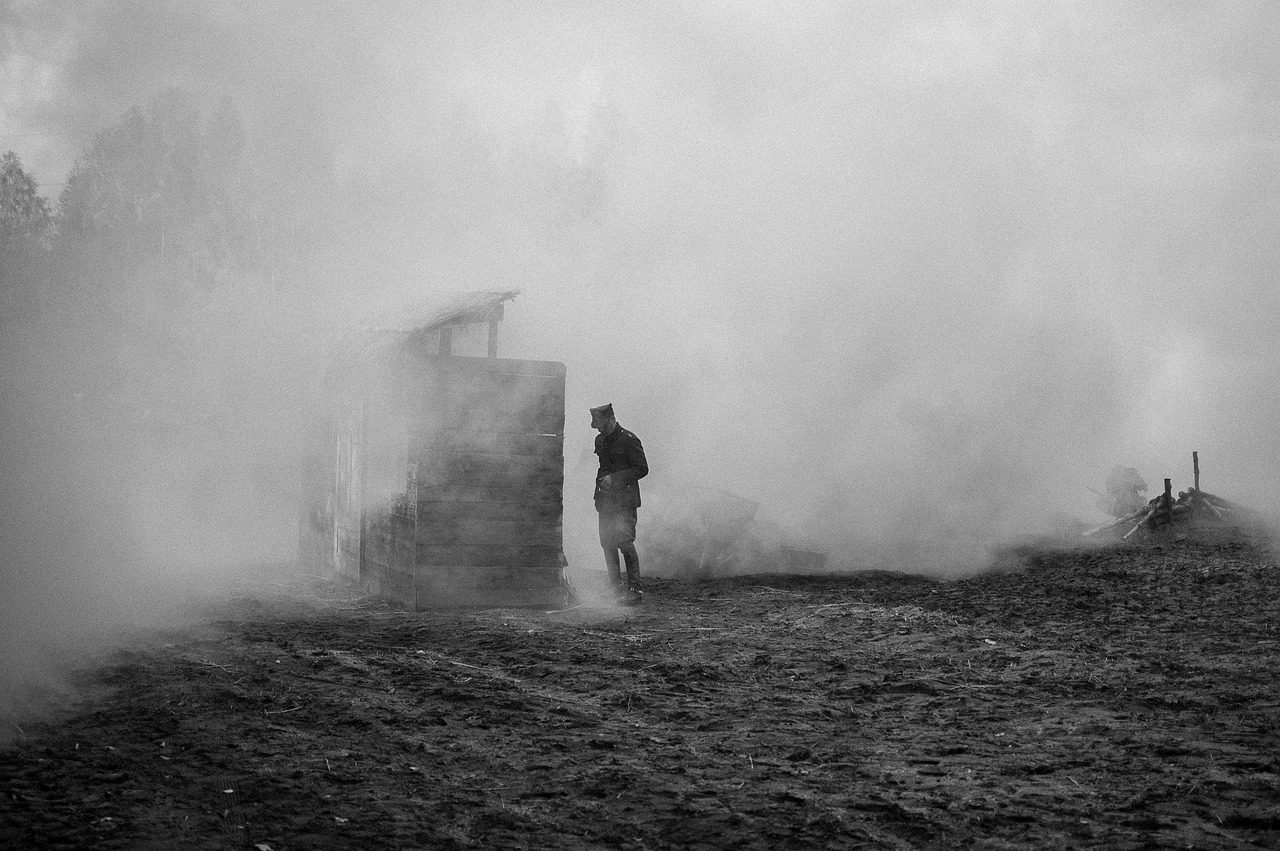
Women played a big role in the work of enterprises too because they were the ones who replaced men. They not only worked at factories but also on farms and in workshops, ensuring a continuous supply of the army. There were various programmes aimed at training personnel so that new workers could improve their skills.
Evacuation of civilians
Of course, Londoners’ lives changed a lot with the outbreak of war. Since World War II was long and bloody, the British government expected air raids on the capital and other cities, which meant catastrophic costs. The leadership and the military developed a plan to protect Londoners from bombing and accommodate people who were left without homes.
Teachers took care of children evacuating from the city to save their lives. Many parents didn’t want to separate their families, so 50% of children remained in the metropolis and faced the bombing. Public bomb shelters became places where people could hide, get medical care or simply have a meal. Even in such extremely difficult conditions, children could study and play in underground bunkers or the tube.
Thus, the mobilisation in London demonstrated the unity of the city residents, who managed to adapt to the new reality of war, making a significant contribution to the victory over the Nazis. Despite the terrible destruction, death and fires, they gathered and worked for the benefit of their own city. Many men died in the war, defending London and the entire country, and their contribution to the victory was invaluable.