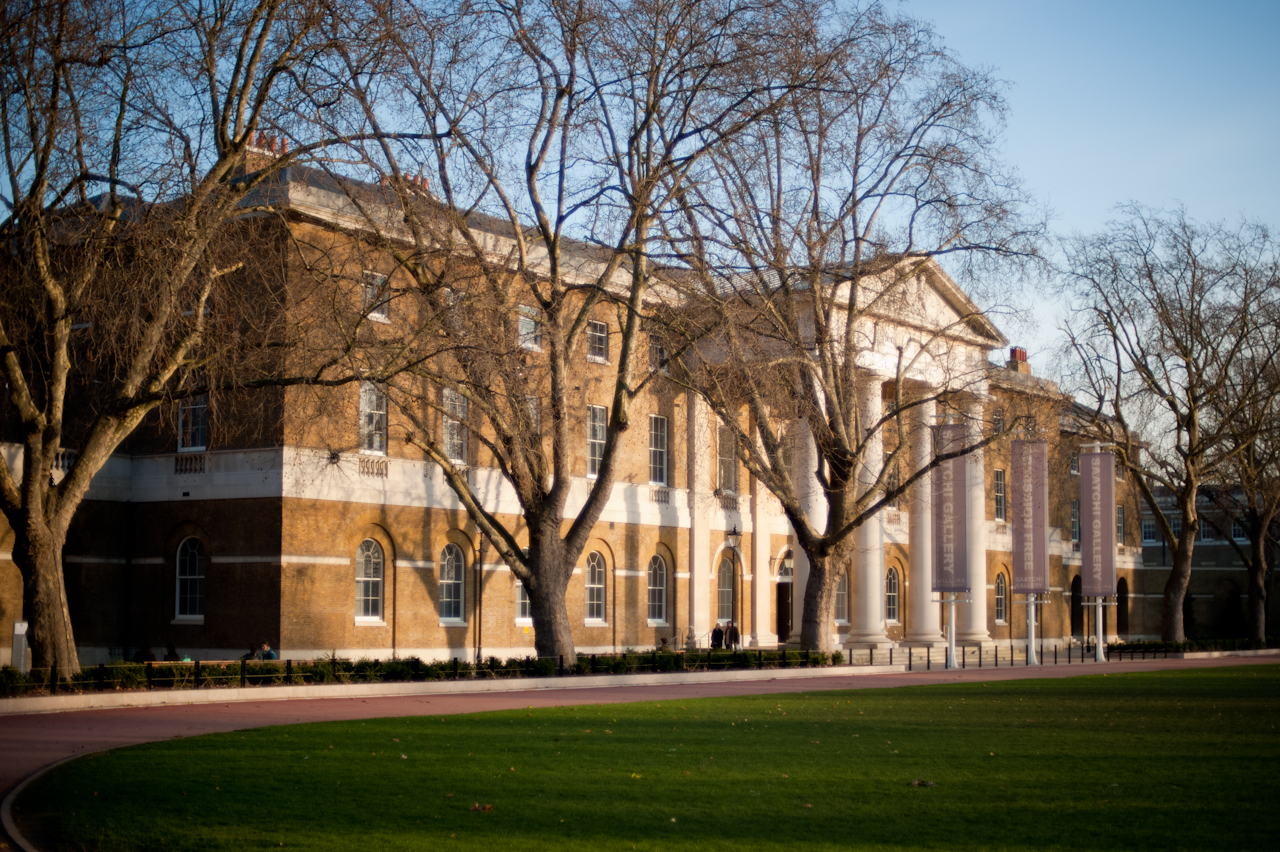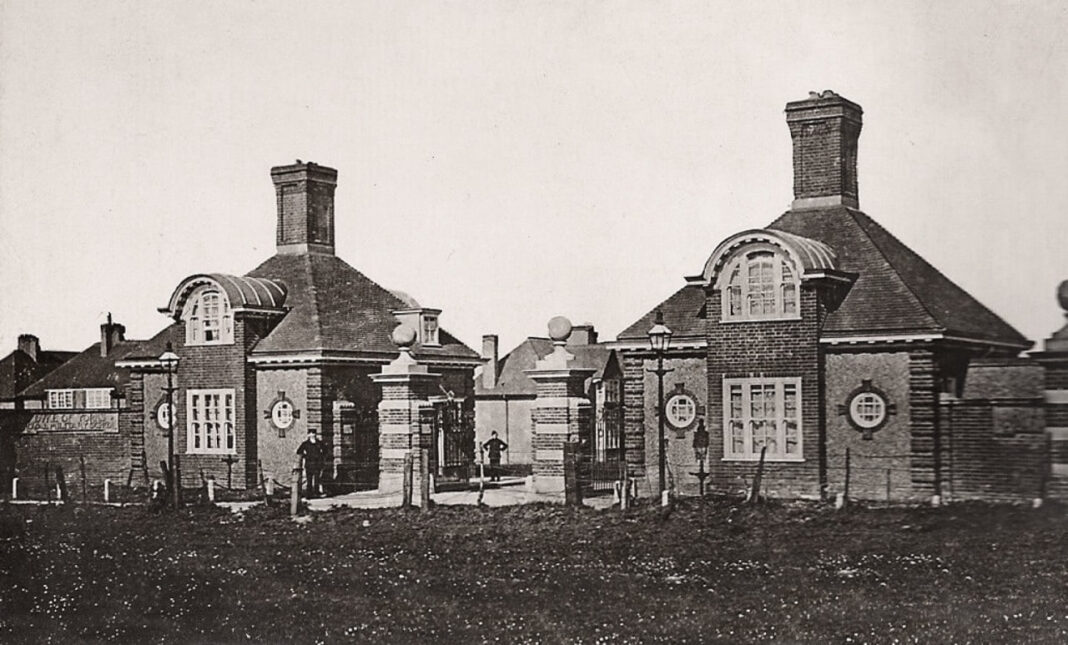

While Chelsea is predominantly known for its rich cultural heritage, its eastern quarter holds a less conspicuous yet equally significant military presence. It’s there, amidst historic buildings, that you’ll find the Duke of York’s Headquarters. As a monument to military history, it has served for centuries as a reminder of the British Army’s activities within the urban landscape. Read more on london-yes.
The Founding and Development of Duke of York’s Headquarters
The Duke of York’s Headquarters building found its home in Chelsea in 1801, designed by the renowned architect John Sanders, who also worked on the Royal Military Academy at Sandhurst. Initially, it functioned as the Royal Military Asylum, an educational institution for children orphaned by service in the British Army. In 1892, the establishment was renamed the Duke of York’s Royal Military School.
When the school relocated to a new site in Dover in 1909, the Duke of York’s Headquarters building came under the purview of territorial military formations. From 1911, it became known as the Duke of York’s Barracks. During the First World War, it housed the headquarters of the 18th Battalion, London Regiment, and the Middlesex Yeomanry.
During the Second World War, the Duke of York’s Headquarters building was used for the military tribunals of German spies Josef Jakobs and Theodor Schurch, who stood trial for violating the Treachery Act 1940. Later, on September 20, 1973, the site suffered a terrorist attack: a bomb, orchestrated by Provisional IRA militants, resulted in injuries to two servicemen and three civilians. At the time, the barracks housed the headquarters of the 14th Parachute Brigade.
In 1980, the Duke of York’s Headquarters building underwent extensive restoration and refurbishment as part of a £1.5 million programme, carried out by Donald Insall Associates. At that time, it served as the Greater London headquarters for the Territorial Army, as well as a base for territorial units of the 144th Parachute Field Ambulance RAMC(V), the 257th (Southern) General Hospital RAMC, the 21st Special Air Service Regiment, and companies from the 10th Battalion, Parachute Regiment, and the London Irish Rifles. Furthermore, the establishment also functioned as the headquarters for the Royal Corps of Signals and the First Aid Nursing Yeomanry, the Coldstream Guards Band, and a light aid detachment of the Royal Electrical and Mechanical Engineers.
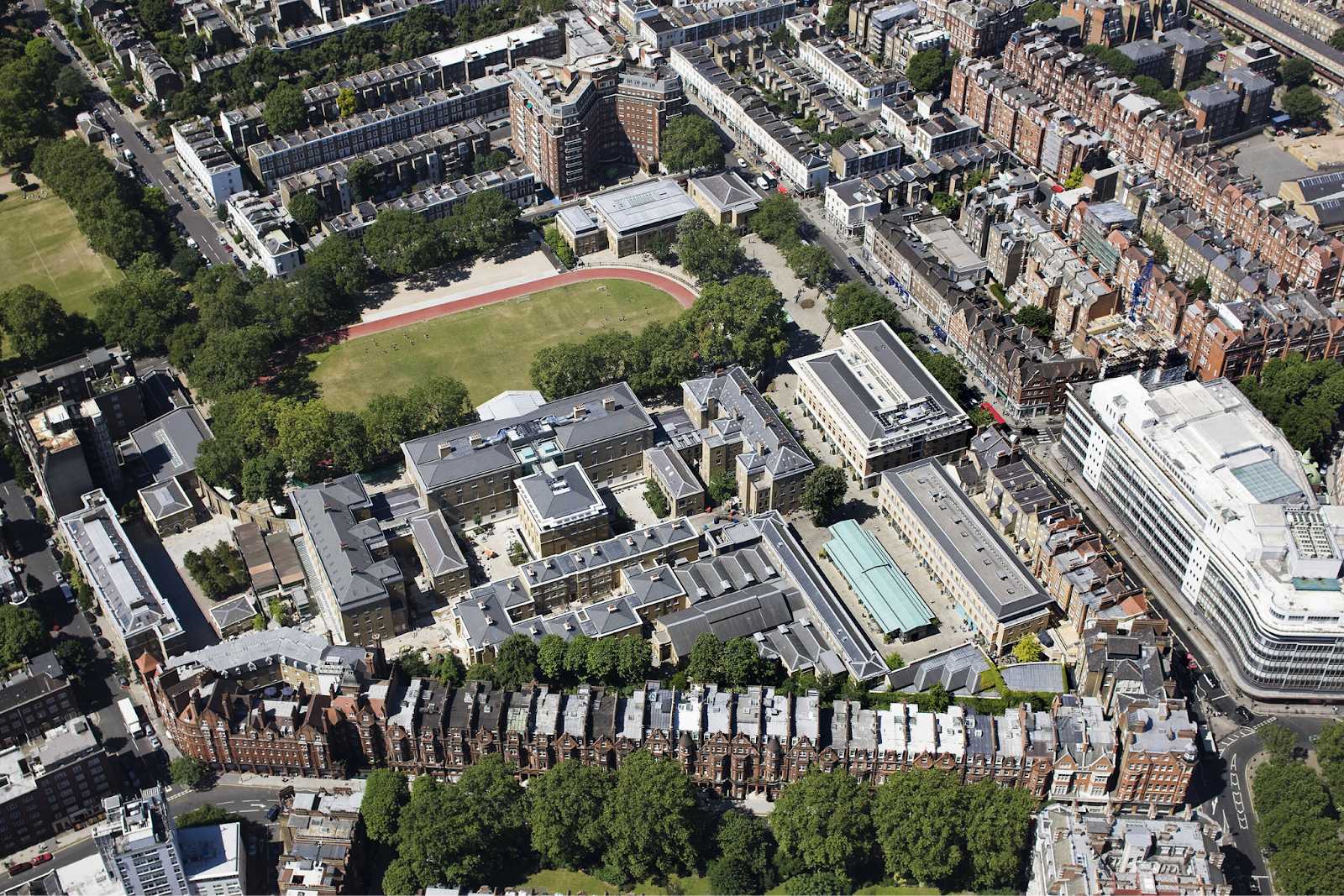
In 2000, the Ministry of Defence decided to sell the historic site to a private investor. Cadogan Estates acquired the plot for £66 million, and after the final vacation of the premises in 2003, for an additional £28 million. Together with the architectural firm Paul Davis and Partners, a renovation plan for the area was developed, resulting in the contemporary urban space known as Duke of York Square. The project included an open public piazza, luxury residences, boutiques, and premises for the Saatchi Gallery, which moved there in 2008.
Recognition and Significance of Duke of York’s Headquarters’ Activities
Since its inception, the Duke of York’s Headquarters building has played a crucial role in supporting British military structures. For over a century, it consistently served as a hub for the training and deployment of state army units, including territorial formations, parachute units, medical corps, and even elite special forces. While the building’s updated architecture may at times appear austere and formal, vital work has been, and continues to be, carried out behind those facades for years. It has been recognised as a site of national importance and is Grade II listed*.