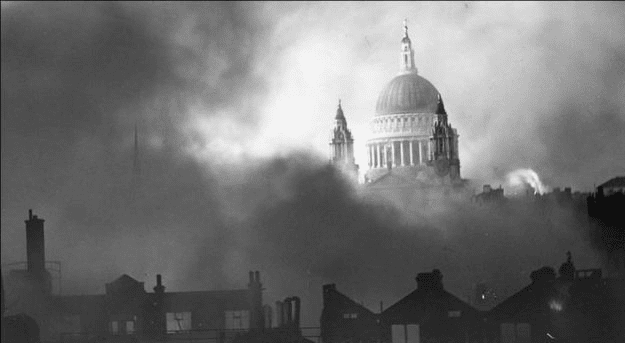

London attracts everyone with its originality, uniqueness and awesomeness. However, the history of each city hides many tragic events. They leave a destructive imprint but, at the same time, make the city stronger and more resilient. Alas, the price of such life lessons is usually too high. One of such terrible events in the history of London was the largest air raid during the Second World War. The eyewitnesses remembered that day for years. This story won’t leave anyone indifferent and will always remind people of the horror and destructive nature of any war. Learn more at london-yes.
Prerequisites of the terrible event
The 1940s became an extremely difficult, cruel and tragic period for the whole of Europe. In the spring, German troops began to implement their plans to capture France, Belgium, Holland and Norway. Already in the summer, most of the Nazis’ goals were achieved. A large number of European countries were occupied. However, it didn’t relate to Great Britain. The country had a very favourable geographical location, which allowed people to prepare in advance for possible attacks and organise a reliable rear. Still, even under such conditions, Great Britain, and London in particular, couldn’t avoid enemy attacks. Although the German troops were able to attack the country only from the air, they managed to destroy a large number of important objects. Large-scale air raids began in the middle of 1940, but one of the most devastating was the bombing of London on December 29, 1940.
Perfect calculations and a clear plan of action
The main advantage of the German military was a clearly coordinated plan. Therefore, even the not-so-favourable weather conditions couldn’t spoil the intentions of the enemy army. That military operation involved several raids. Horrible as it was, the plan was quite professional and effective. The Pathfinder squadron played the most important role. Its main purpose was to identify specific targets using radio beams. The squadron performed their tasks very well. It allowed the enemy to make accurate strikes despite cumulus clouds, which is usually an obstacle for pilots. On December 29, 1940, several waves of bombing were carried out by Nazis. First, they dropped incendiary ammunition and explosives on London, which resulted in a fire. Everything happened according to the plan of the enemy troops. The fire was supposed to be a distracting factor that would make it possible to carry out an even greater number of strikes. The plan worked out. Later, the groups of the main bomber force began to arrive. Aeroplanes dropped tens of thousands of incendiary and high-explosive bombs on the city. Such ammunition isn’t that dangerous if used in small numbers. Its consequences can be quickly illuminated, but nobody expected them in such a huge number that day. In addition, the situation was complicated by problems with water supply. Most of London’s major highways were damaged and there was also a breakdown in the work of fireboats. Their water pumps and hoses were clogged with silt. Moreover, the Thames was at low tide. Taking into account all of the above, we can come to the conclusion that many factors favourably contributed to the enemy’s actions.
Terrible consequences of the air raid
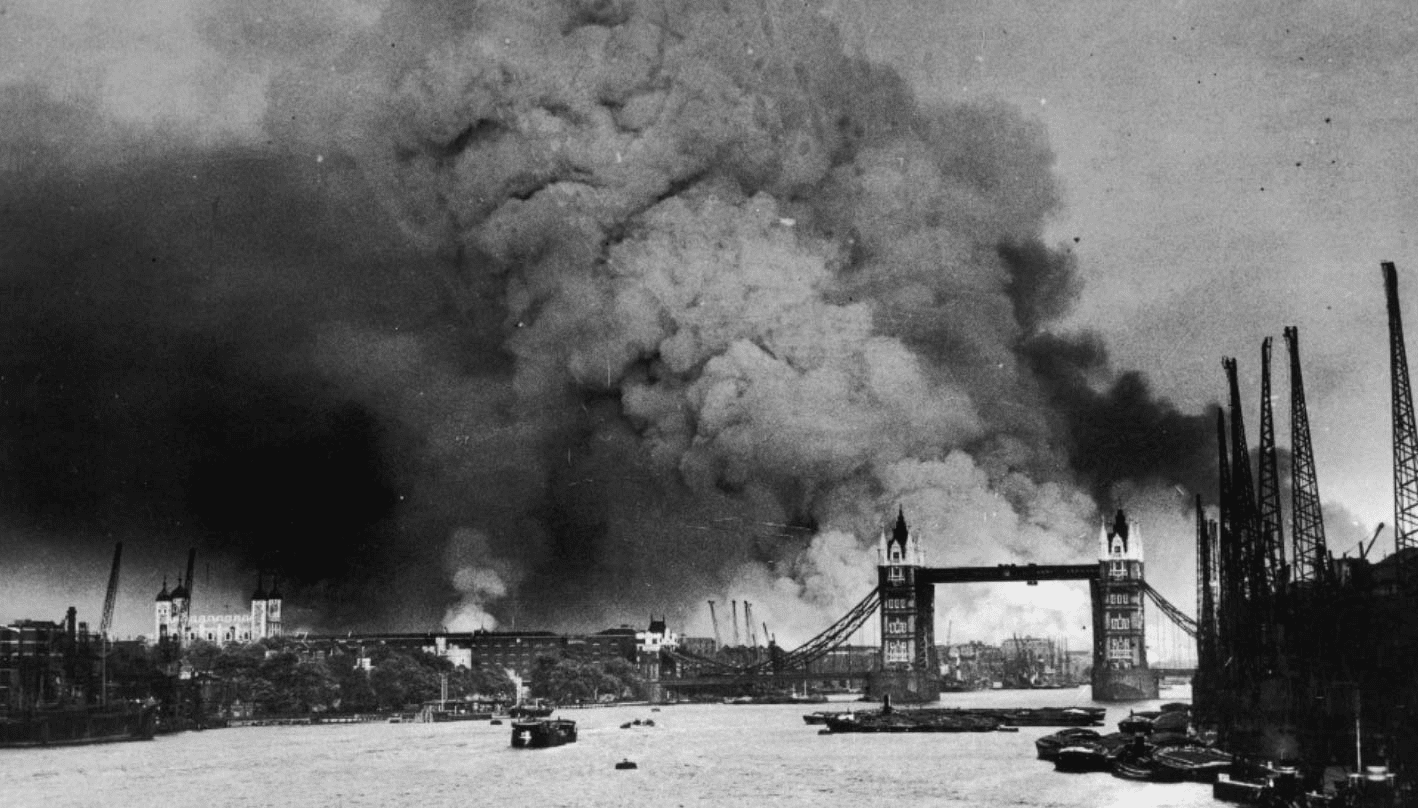
Photo source: Library of Congress
That day, the historic centre of London suffered great damage. The main strategic targets for German aircraft were river bridges, communication centres as well as railway tracks and stations. In general, the aim was to destroy the capital of Great Britain. Although the Nazis’ global goal wasn’t achieved, London was significantly destroyed.