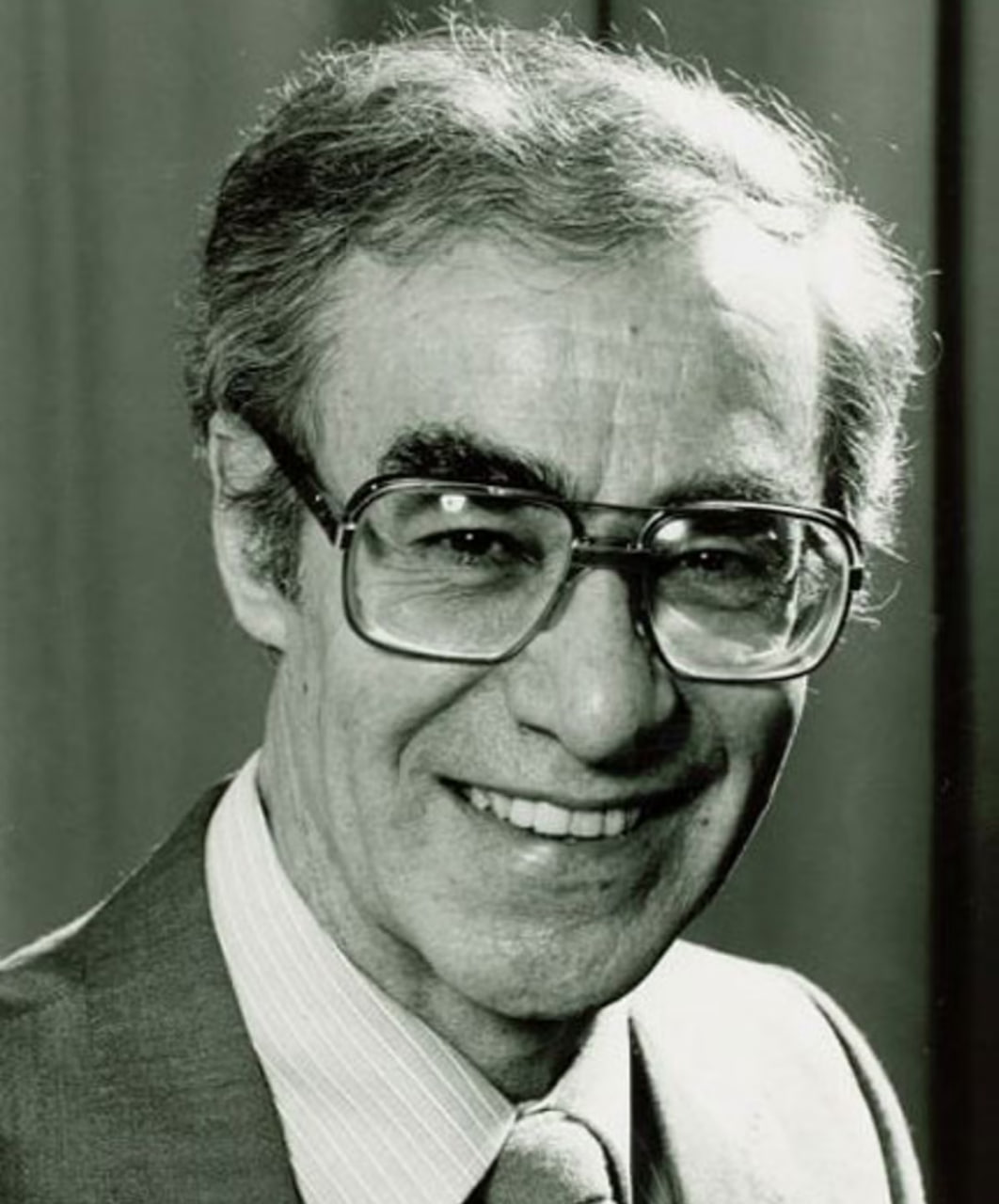

Roy Jackson was a driving force in the transformation of the British trade union movement. As Director, and later Head, of the Trades Union Congress (TUC) Education Department, he took what had been a secondary function and turned it into a strategic priority. He spearheaded the introduction of a student-centred approach and founded the groundbreaking TUC National College. Jackson truly dedicated his life to ensuring that knowledge became a weapon and a tool for working people. Read more on london-yes.
Roy Jackson’s Early Years and Public Life
Roy Jackson was born on 18 June 1928 in Paddington, London. After leaving North Paddington Central School, he started his career at the Post Office Savings Bank before serving in the Royal Navy. Crucially, a trade union scholarship allowed him to enter the renowned Ruskin College, where he studied alongside future leaders, notably Norman Willis. He then furthered his education at Worcester College, graduating with a degree in Philosophy, Politics, and Economics (PPE).
Jackson joined the TUC’s Education Department immediately after leaving Oxford. In 1964, he took on the role of Training Officer. Until that point, workplace education was often seen as something of an afterthought, a low-priority function. Under Jackson’s leadership, this situation changed dramatically. A key moment was the adoption of the influential report, “The Training of Trade Union Representatives,” which he authored himself. In this landmark document, he called for a shift to a student-centred style of education for union activists—a radical change in the teaching and learning methods within the movement.
In 1974, Roy Jackson was appointed Head of the TUC Education Department. He ensured the council played a leading role in the national debate on education, particularly following Prime Minister James Callaghan’s pivotal speech on the subject. The culmination of his educational career was the establishment of the TUC National College in Hornsey in 1984. This was the result of his joint efforts with Clive Jenkins, General Secretary of ASTMS and Chair of the TUC Education Committee.
Jackson’s appointment as Assistant General Secretary of the TUC in 1984 came as no surprise. At the time, General Secretary Norman Willis was facing unprecedented political and industrial challenges and needed constant, skilled support. It was Jackson who took on responsibility for crisis management, participating in negotiations aimed at resolving the numerous inter-union disputes that threatened to undermine the status and effectiveness of the TUC.
Despite taking early retirement due to declining health, Roy Jackson remained committed to public service. His expertise in industrial relations was invaluable, leading him to become a member of the Employment Appeal Tribunal. Furthermore, he served as a non-executive director of Remploy—the state-owned company dedicated to providing employment for people with disabilities. As a lifelong member of the Labour Party, he was also an active part of his local branch in Hatfield. Roy Jackson passed away in Hatfield on 11 December 2010.

The Legacy of Roy Jackson’s Union Work
Roy Jackson was a leading figure in the Trades Union Congress during a period of its highest influence. His contribution spanned the transformation of education, crisis management, and broad public activity. He successfully converted workplace training from a marginal activity into a central pillar of trade union development. As Deputy General Secretary, he expertly managed negotiations and conflict resolution during times of major crisis. Roy Jackson’s lifelong dedication to the movement was recognised with the Union Gold Badge and a Merit Award from the Labour Party.